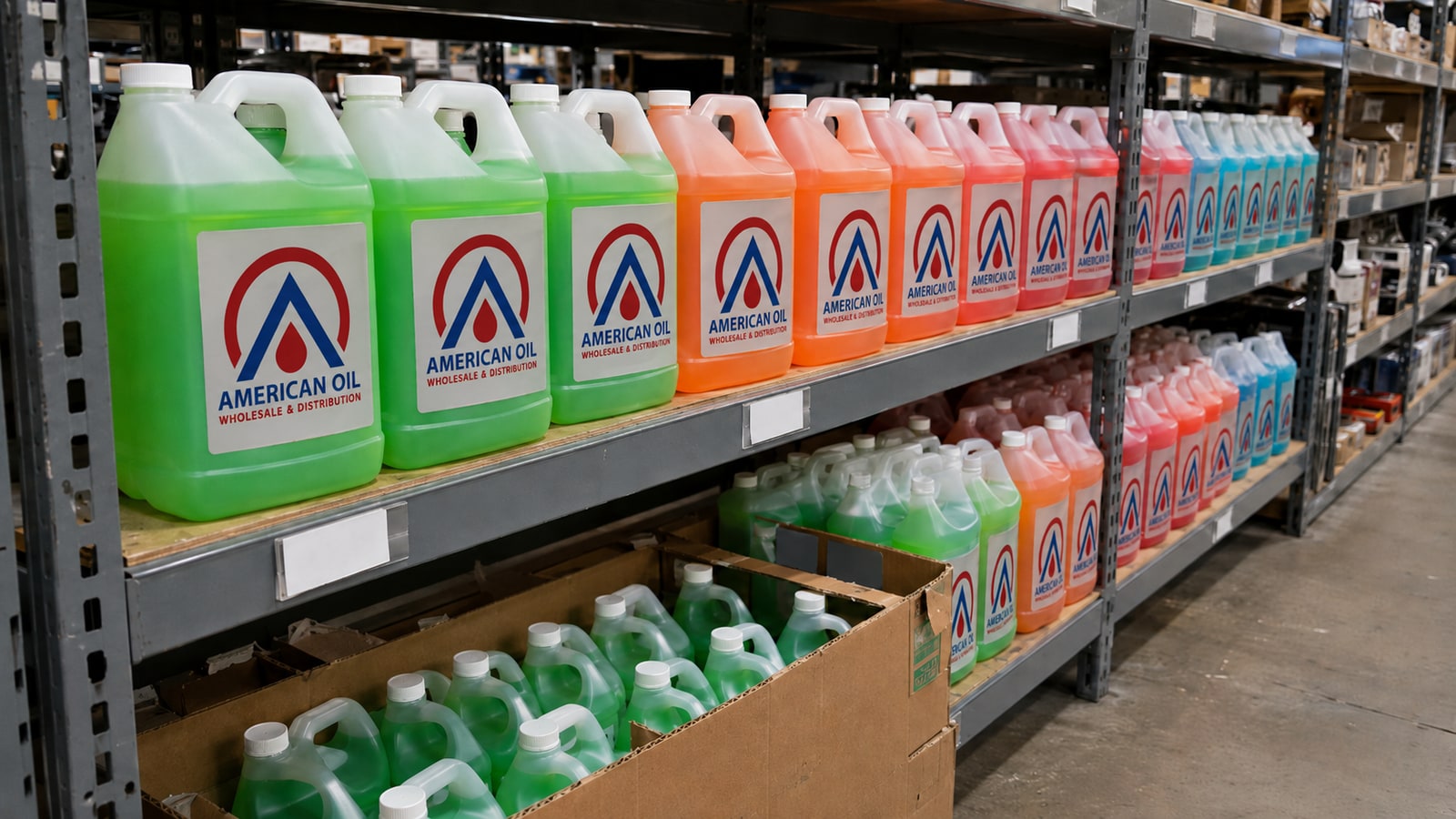
You buy coolant and antifreeze wholesale in South Florida by opening a trade account with a distributor, then ordering by the gallon, pail, drum, or tote at account pricing instead of paying retail per jug. American Oil Wholesale and Distribution (aoilw.com) is a Hialeah-based full-line distributor that carries coolant and antifreeze on the same account as your motor oil, DEF, and grease, and delivers to shops from West Palm Beach County to Homestead, with Caribbean and Latin America export.
If you run an auto repair shop, a quick-lube, or a fleet garage, coolant is a fluid you go through steadily and it is easy to overpay for a jug at a time. This guide covers what you actually need to know to buy it right: the coolant chemistry types and why you match the vehicle maker's spec instead of the color, concentrate versus pre-diluted and the cost math, why South Florida coolant is about heat and corrosion rather than winter freeze, and how to set up wholesale supply with us.
Coolant chemistry, at a buyer's level
Coolant is sorted by its additive chemistry, and the additive package is what protects the cooling system from corrosion. There are three families a shop deals with:
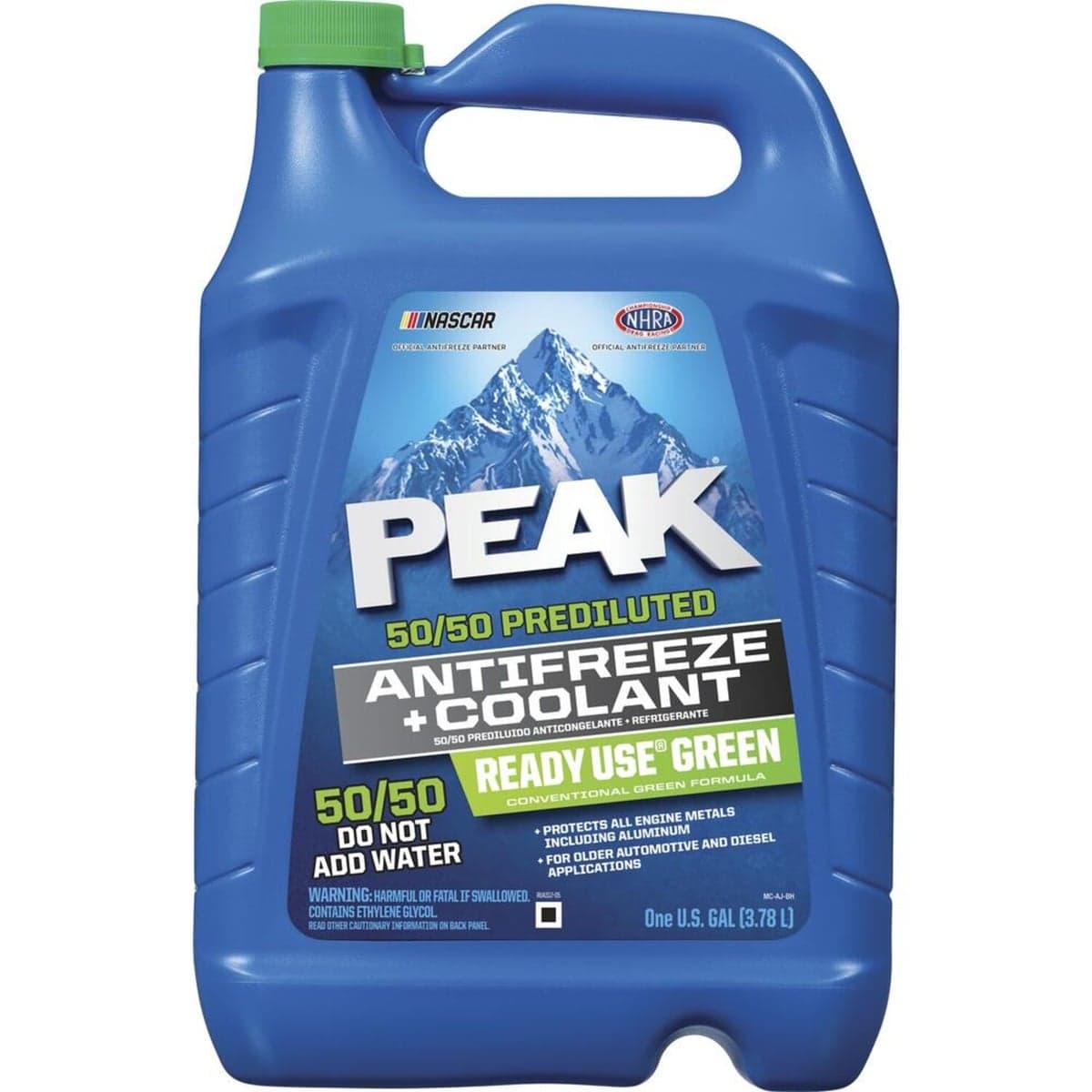
- IAT (Inorganic Additive Technology) is the traditional coolant, historically the green stuff. It protects well but has a shorter service life, so it needs changing more often. Common in older vehicles.
- OAT (Organic Acid Technology) is a long-life coolant that drops the fast-depleting inorganic inhibitors for organic acids, so it lasts far longer between changes. Many modern vehicles call for an OAT coolant.
- HOAT (Hybrid OAT) blends the two: organic acids plus a measure of the traditional inhibitors. It is common on a lot of European and Asian vehicles.
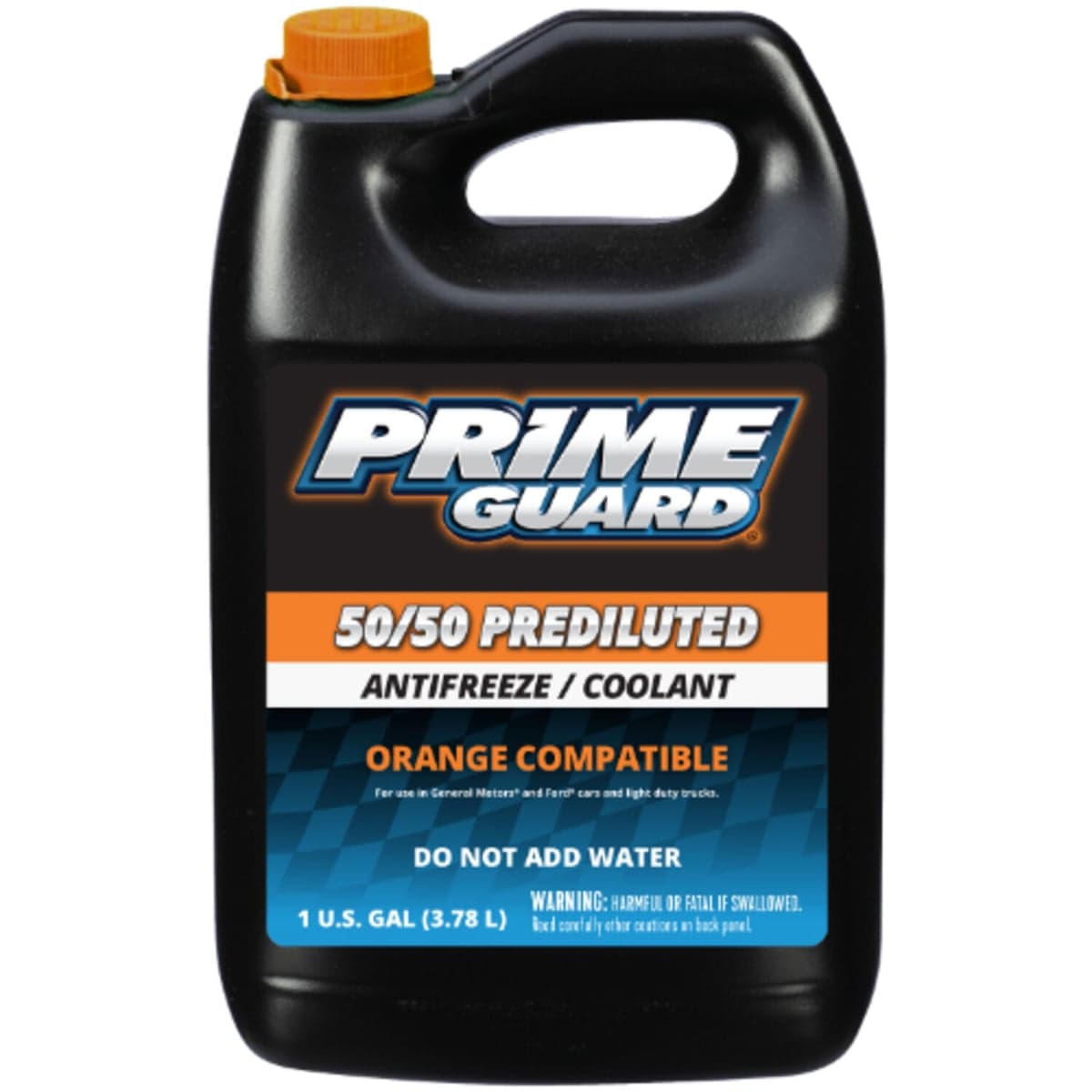
The single most important rule: match the vehicle maker's specification, not the color. Coolant colors are a marketing choice, not a reliable guide to chemistry, two coolants can be the same color and the wrong chemistry for each other, so you go by the OEM spec the vehicle calls for. The performance standards behind these fluids are set by ASTM (ASTM D3306 for light-duty automotive coolant and ASTM D6210 for heavy-duty engine coolant). When you order from us, our reps can match the chemistry and spec your shop needs across the vehicles you actually see.
Concentrate vs pre-diluted, and the cost math
Coolant comes two ways, and the choice is about cost versus convenience:
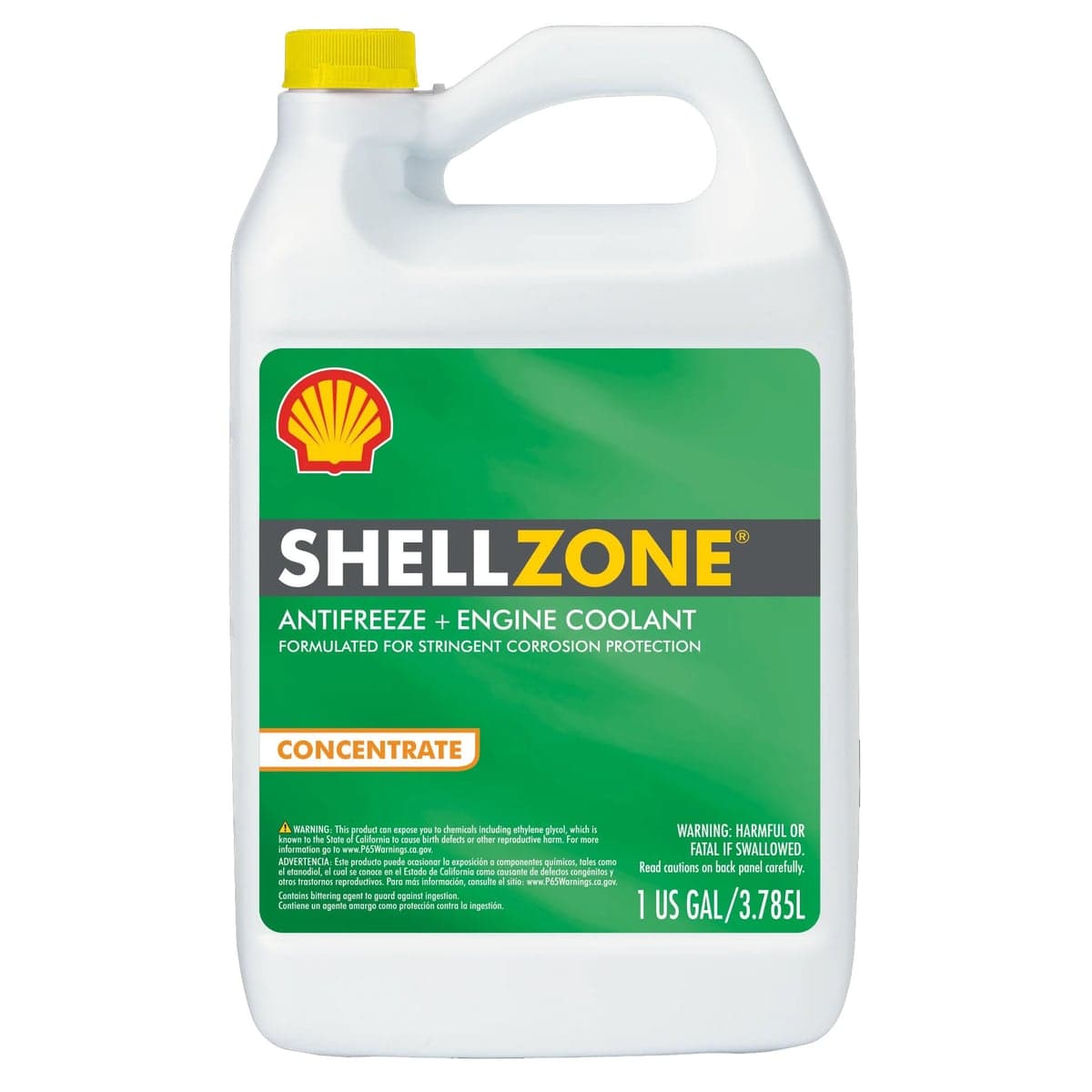
- Concentrate is full-strength coolant you mix with deionized or distilled water, normally 50/50. A gallon of concentrate makes about two gallons of ready-to-use coolant, so the cost per usable gallon is lower, as long as you mix it correctly with the right water.
- Pre-diluted (50/50) is already mixed and ready to pour. It costs more per usable gallon, but there is no mixing and no risk of using the wrong water.
The math is simple: concentrate is cheaper per usable gallon because you are adding the water yourself, while pre-diluted buys you convenience and consistency. A high-volume shop with good process usually leans concentrate; a busy bay that wants no mixing step leans pre-diluted. Tell us your volume and how you work, and we will quote the option that fits.
The South Florida angle: heat and corrosion, not freeze
This is where buying coolant in Miami is different from buying it up north.
- It is not about freeze protection here. "Antifreeze" earns its name in cold climates by lowering the freezing point. In South Florida, that job almost never matters. What matters year-round is the other half of what coolant does.
- It is about heat, boil-over, and corrosion. Coolant raises the boiling point so the system does not boil over in summer heat and traffic, carries heat away from the engine, and its additive package stops corrosion inside the radiator, water pump, and block. In a hot, humid market that runs hard all year, that protection is the whole point.
- And it is about export volume. A lot of South Florida coolant moves through the Miami gateway to the Caribbean and Latin America, markets that are hot year-round for the same reasons.
So the South Florida coolant calculus is heat and corrosion protection and export, not winter. A local distributor who frames it that way, and stocks for it, is worth more than a national catalog written for snow country.
Packaging and terms
We sell coolant and antifreeze by the gallon, pail, drum (55-gallon), and tote (IBC, about 275 to 330 gallons). The cost per gallon drops as the package gets bigger, so the right tier depends on how fast your shop turns that coolant. We price per tier on your account, offer COD (cash on delivery) so a new account starts clean, and deliver from West Palm Beach County to Homestead. One account with us also covers your motor oil, DEF, grease, and additives, so coolant rides the same invoice and the same truck instead of a separate vendor.
Open a wholesale coolant account with American Oil
Stop paying retail per jug for a fluid your bay goes through all year. Open your wholesale account at aoilw.com, or call American Oil Wholesale and Distribution, to get a quote by package tier (gallon, pail, drum, or tote), match the right coolant chemistry for the vehicles you service, and set up delivery from West Palm Beach County to Homestead, with Caribbean and Latin America export available. Tell us your volume and we will quote the tier that drops your cost per gallon the most.
Sources
- ASTM International, ASTM D3306 (light-duty automotive engine coolant) and ASTM D6210 (heavy-duty engine coolant). https://www.astm.org
- Vehicle manufacturer (OEM) coolant specifications, the controlling reference for which coolant a given vehicle requires.