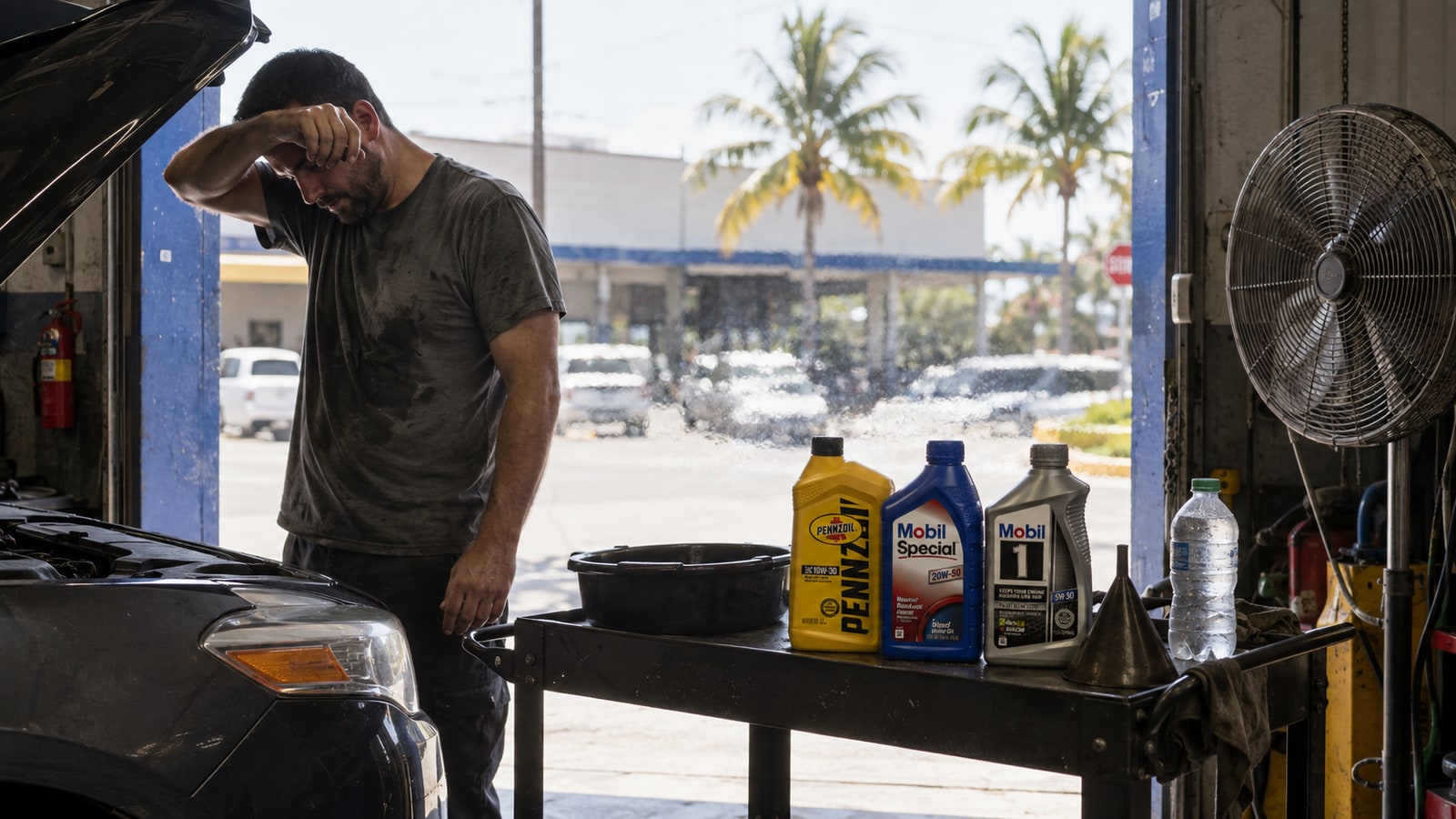
The most common viscosity question we get from shops in South Florida and from Caribbean and Latin American buyers is some version of: "Do we need heavier oil here because of the heat?" The answer is no. The right viscosity grade for any engine is the one the engine maker specifies, not a heavier grade chosen to compensate for climate. Modern multi-grade oils are engineered to maintain their protective film at the temperatures your engines actually run, and substituting a heavier grade when the engine does not call for it takes you outside the OEM's specification without adding protection. We carry the full grade range at American Oil Wholesale and Distribution (aoilw.com), a Hialeah-based full-line lubricant distributor, in case, pail, drum, and tote packaging at wholesale account pricing.
For shops stocking a wide bay mix, or for buyers exporting to Caribbean and Latin American markets where the vehicle park is older and grade needs differ, this guide explains how SAE viscosity grades work, why the cold-start rating in a multi-grade does not change for tropical markets, what grades a South Florida shop should stock, and what moves in export containers heading to the islands and mainland LatAm.
What the W means in a viscosity grade
SAE International defines engine oil viscosity grades in the SAE J300 standard, and every grade follows the same two-part format: a number, the letter W, a hyphen, and a second number, like 5W-30 or 15W-40.
The W stands for winter, not weight, and it defines the oil's low-temperature performance. The number before the W tells you how the oil flows at cold temperatures: a lower number means the oil stays thinner in the cold, which allows the engine to crank and get oil to the bearings faster on a cold start. The number after the hyphen is the high-temperature viscosity grade: it tells you how thick the oil is at operating temperature, around 100 degrees Celsius.
A multi-grade oil like 5W-30 satisfies the cold-flow requirement of a 5W oil and the high-temperature requirement of a 30-grade oil. That is what allows one product to protect the engine across a wide temperature range.
Why the W grade is a non-issue in South Florida and the Caribbean
The cold-start ratings in SAE J300 are calibrated for real winter temperatures. The 0W and 5W grades are defined by how the oil flows at temperatures well below zero Fahrenheit, temperatures that South Florida and the Caribbean never see. Even the 10W grade is defined against cold conditions that fall far below anything a Hialeah morning or a Caribbean island will deliver.
That means a 5W-30 and a 10W-30 behave nearly identically under every condition your engines will actually face in our markets. Neither one is ever put in a situation that separates them. Choosing a higher W number for a hot climate adds nothing because cold starts are not the challenge here.
There is also no need to move toward a heavier W on the theory that thicker-at-cold means thicker-at-hot. The W number and the operating-temperature grade are independent. A 5W-30 and a 20W-50 are worlds apart at operating temperature, but the 20W difference in the W rating is irrelevant in a tropical market.
The number after the hyphen: what actually matters in a hot climate
The operating viscosity grade, the number after the hyphen, is what determines how the oil holds its protective film when the engine is running hot. This is the number that matters in our market.
Heavier is not automatically better. If the engine maker specifies 5W-30, that engine was designed and tested for the operating viscosity of a 30-grade oil. Substituting 20W-50 puts more resistance on the oil pump, slows internal oil flow, can hurt fuel economy, and in newer engines with tighter tolerances may reduce lubrication where it matters most. The engine maker already accounted for the operating temperatures that include South Florida summers and Caribbean heat. Follow the spec.
Where a heavier operating grade belongs is in engines that were designed for it. Some vehicles built in the 1980s and 1990s were engineered with looser tolerances and originally specified 10W-40 or 20W-50. If the OEM service manual or the owner's manual calls for it, stock it and use it. The rule is to follow the spec, not to second-guess it based on the weather.
What to stock for South Florida shops and fleets
The right grade mix for a South Florida bay is driven by which vehicles you service, not by the temperature outside.
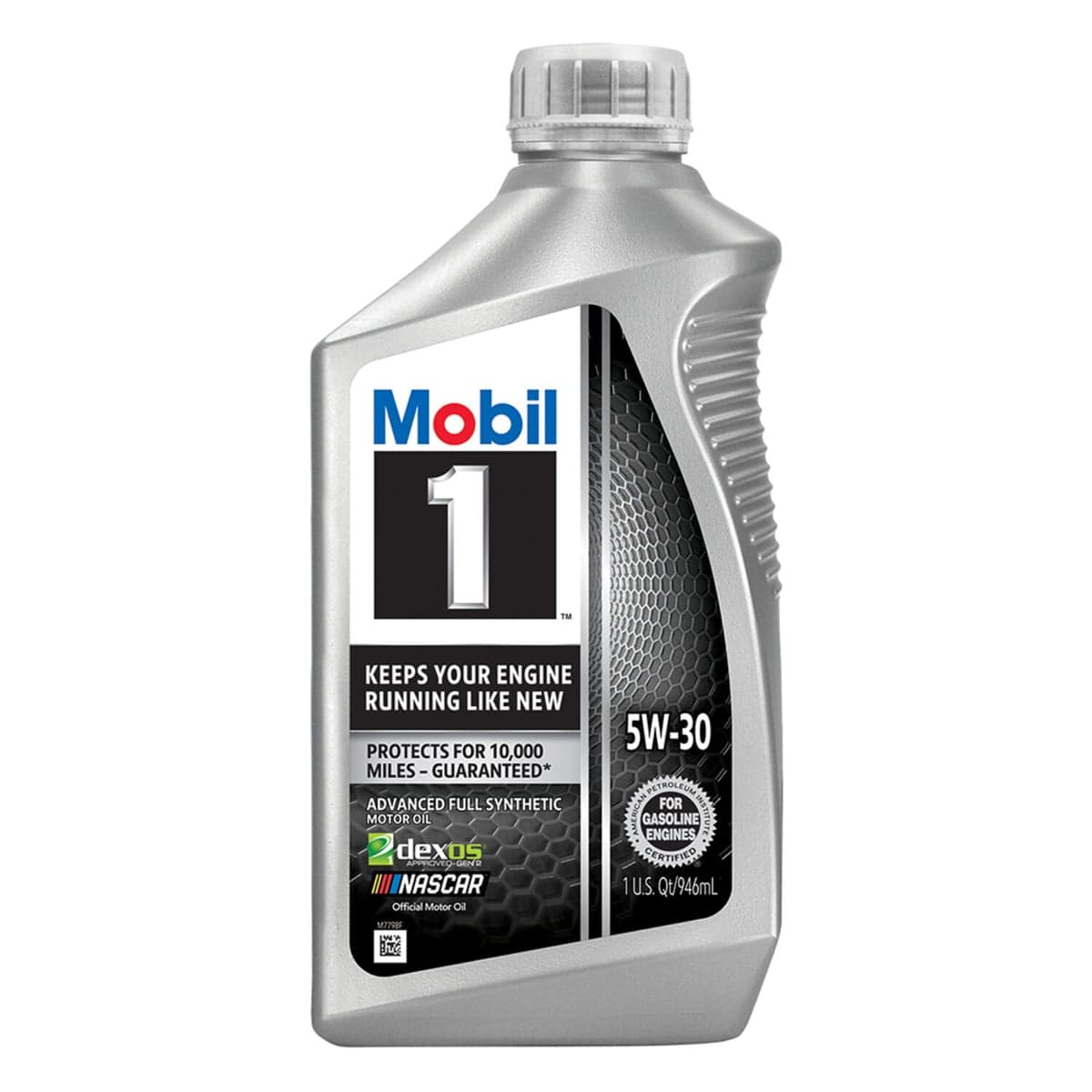
Modern gasoline engines (roughly 2010 and newer, the majority of the passenger car traffic in South Florida): 5W-30 covers many domestic applications; 5W-20 is the spec for a large portion of Ford and many domestic vehicles; 0W-20 is increasingly the OEM spec for newer Toyota, Honda, Subaru, and other Japanese models, and for many newer GM and Ford platforms. All three grades should be API SP rated, the current API service category for gasoline engine oil, and ILSAC GF-6A certified.
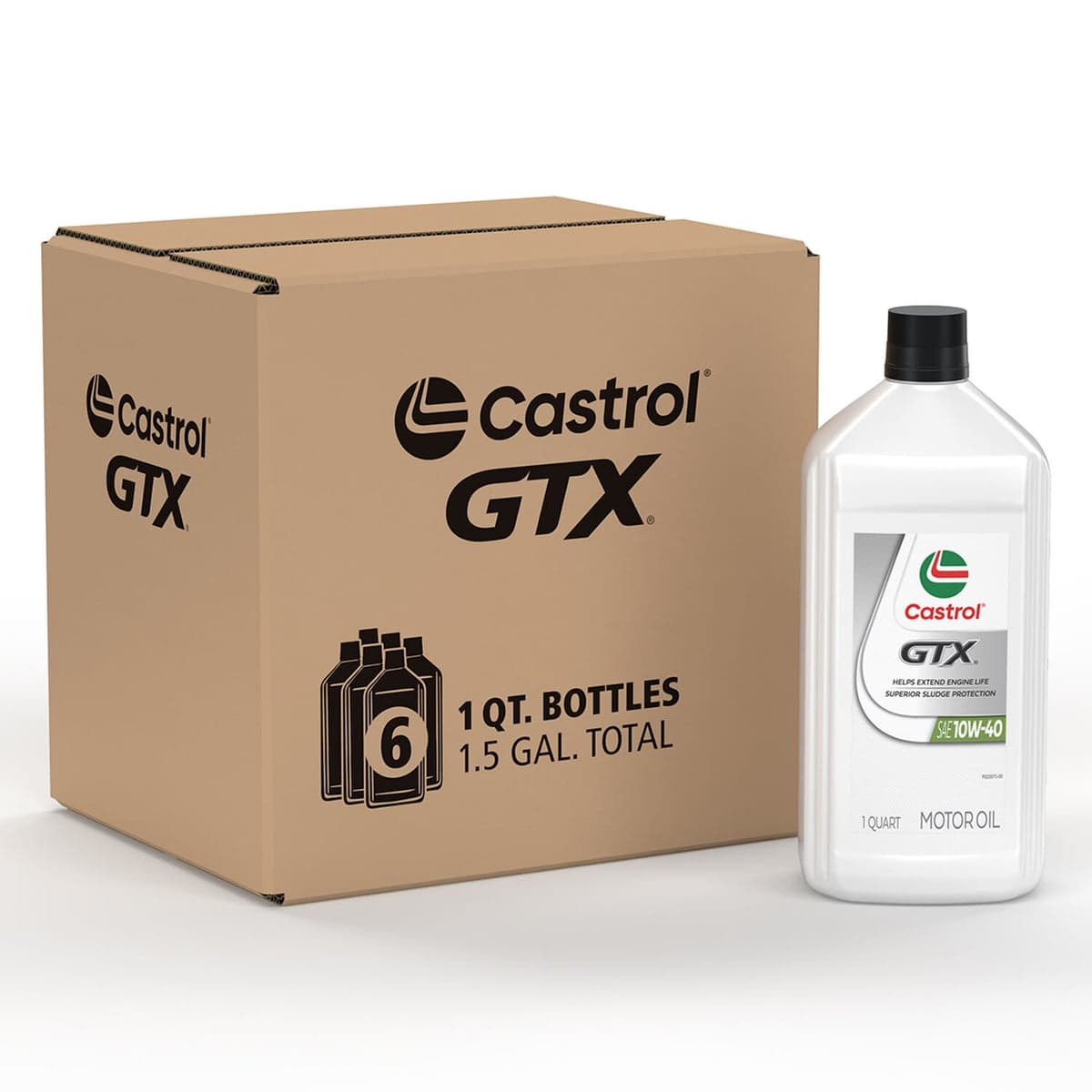
Older or high-mileage gasoline vehicles: 10W-40 and 20W-50 are the historic OEM grades for engines with larger tolerances. If your bay takes pre-2000 vehicles or high-mileage older trucks, keep these in smaller volume and restock based on what you actually turn.
Heavy-duty diesel engines: CK-4 15W-40 is the standard stocking choice for a mixed diesel fleet covering trucks, vans, and commercial equipment. Stock FA-4 only for the specific newer on-highway diesel engines that require it.
DEF and coolant: these are separate product lines that ride the same account and the same delivery. We carry Peak BlueDEF in 2.5-gallon jugs alongside our house brand, and a full coolant line.
South Florida's bay mix typically leans toward Japanese and Korean imports plus domestic pickup trucks and some light commercial diesel. That means 5W-20 and 0W-20 often lead gasoline volume, 5W-30 covers domestic and European vehicles, and CK-4 15W-40 covers diesel.
What to stock for Caribbean and Latin American export
The grade mix for export differs because the vehicle park in many island and Latin American markets includes a higher proportion of older vehicles. Caribbean fleets and independent garages tend to run more diesels at higher mileage, more older domestic vehicles, and more commercial equipment that specifies higher-viscosity grades.
CK-4 15W-40 is the single most versatile grade for an export container: it is the current API-spec heavy-duty diesel oil and it also satisfies the high-viscosity gasoline engine specs common in older vehicles. 20W-50 moves in markets where the vehicle park runs older engines and high-mileage equipment. Modern grades like 5W-20 and 0W-20 are relevant for markets that are importing newer vehicles in volume.
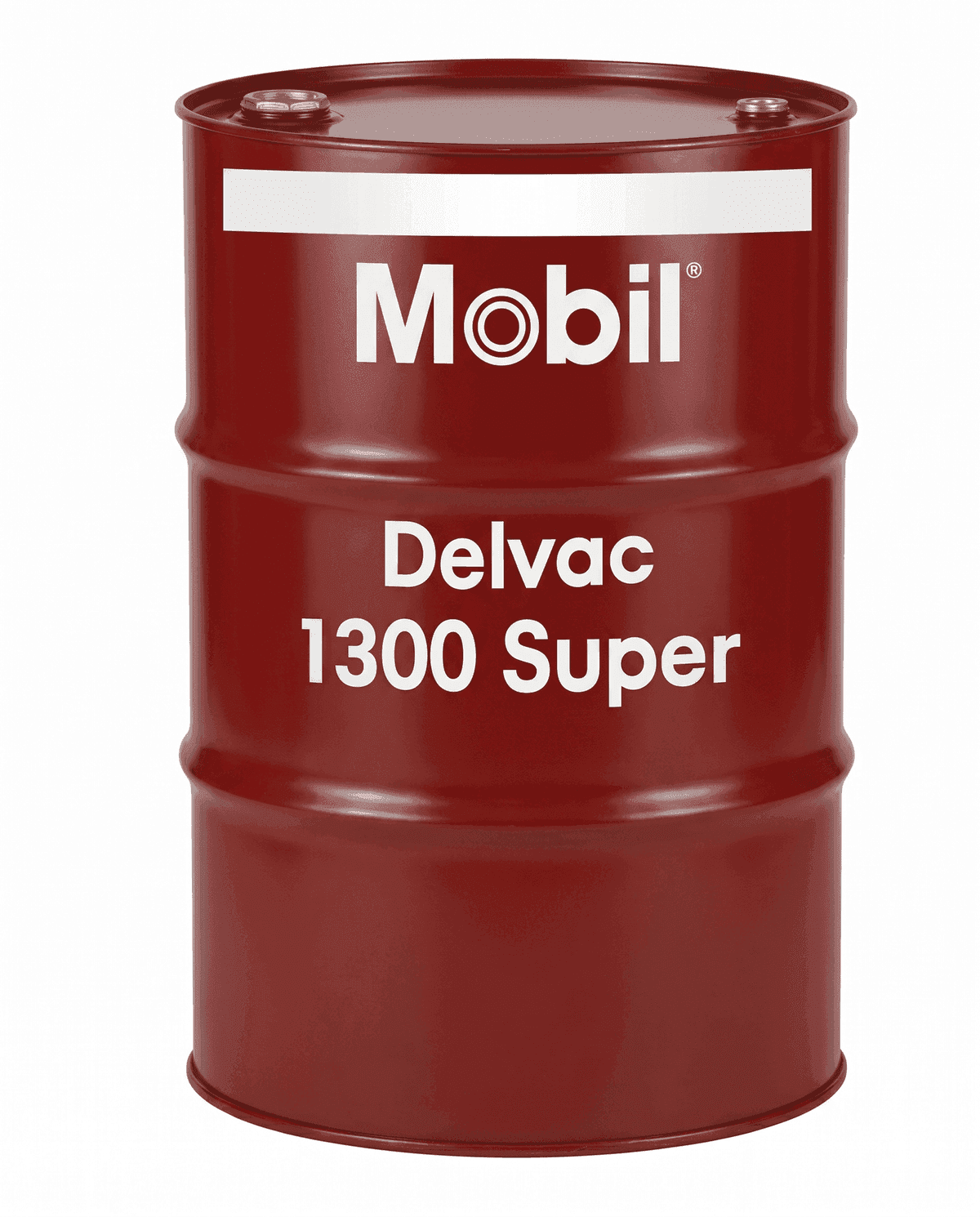
We ship to Caribbean and Latin America by freight forwarding and container loading from Hialeah. Drums (55 gallons) and totes (approximately 275 to 330 gallons) are the standard container for export shipments, and they are also the formats where the cost per quart makes the most sense for a buyer filling a container. Talk to us at aoilw.com about your grade list and export volume and we will quote by package tier.
Stock the right grades for your market, at the right volume, with American Oil
The formula is straightforward: match the OEM spec first, then choose the package size that lowers your cost per quart. We supply the full grade range in gasoline motor oil (API SP, ILSAC GF-6) and heavy-duty diesel oil (CK-4, FA-4) in case, pail, drum, and tote packaging, from our Hialeah warehouse with delivery from West Palm Beach to Homestead. For Caribbean and Latin America, we export by freight forwarding and container. Open your wholesale account at aoilw.com or reach out for a grade-specific quote.
Sources
- SAE International, SAE J300 Engine Oil Viscosity Classification. https://www.sae.org
- American Petroleum Institute (API), API SP and ILSAC GF-6 gasoline engine oil service categories. https://www.api.org
- American Petroleum Institute (API), API CK-4 heavy-duty diesel engine oil category. https://www.api.org