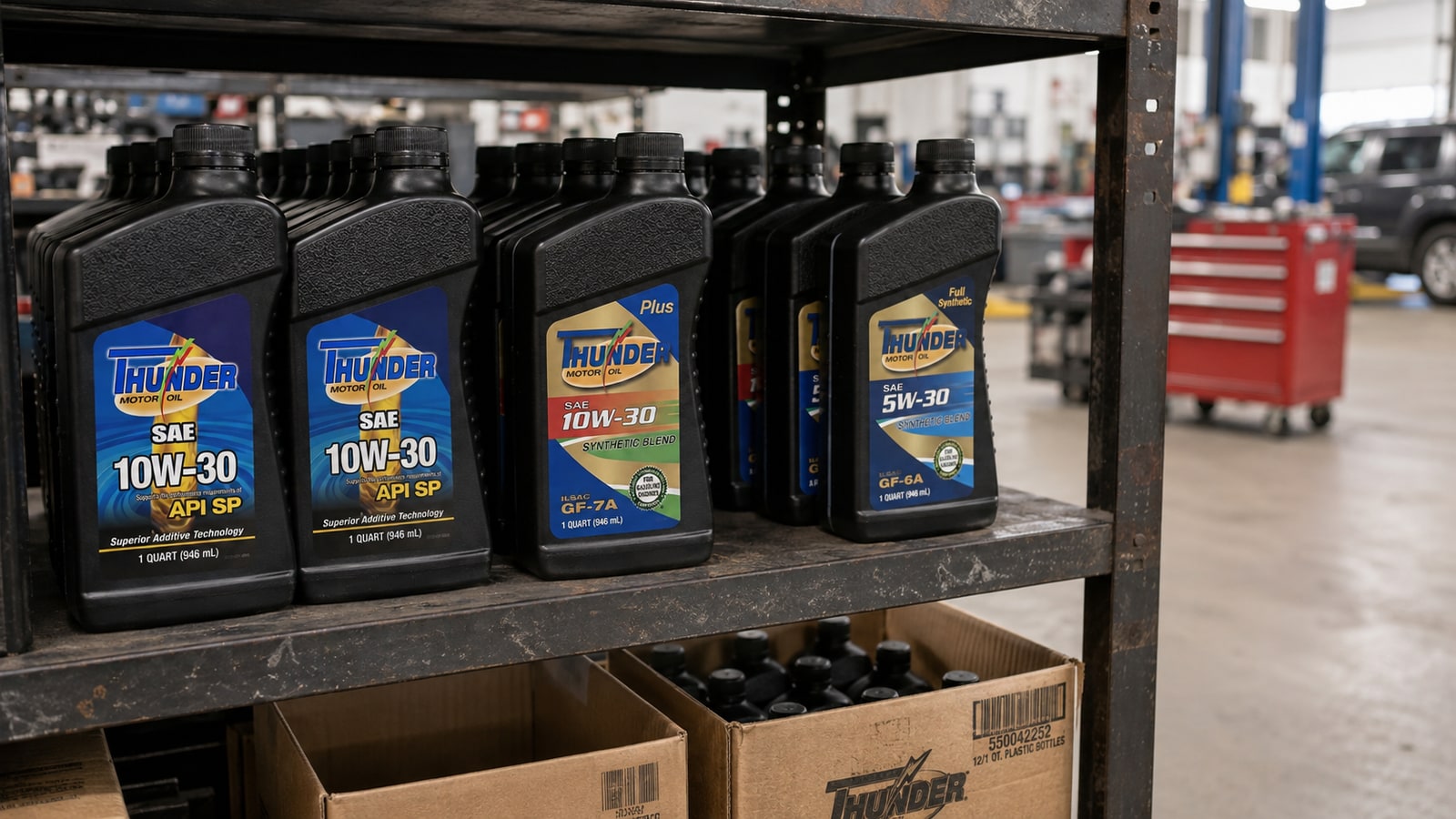
Synthetic and conventional motor oil differ in the base oil they are built from, not in the engine standard they meet. Conventional oil uses a refined crude base, full synthetic uses an engineered base that holds up better under heat and time, and a synthetic blend mixes the two. A South Florida shop usually stocks both ends: a synthetic line for the modern engines and factory specifications that require it, and a conventional or blend line for older engines and budget oil changes. Once you know your stocking mix, American Oil Wholesale and Distribution (aoilw.com), a Hialeah-based full-line distributor, supplies all three by the case, drum, or tote at account pricing.
If you run a repair shop, quick-lube, or fleet garage, the synthetic-versus-conventional call is really two decisions: which oil each engine actually requires, and which one earns you the better margin per change. Get the first wrong and you risk a comeback or a warranty problem; get the second wrong and you leave money in the bay. This guide explains the real difference between the base oils, what each is best for, why the spec on the bottle matters more than the word "synthetic," what most shops should stock, and how buying wholesale by the drum or tote keeps the margin on a premium oil change yours.
The real difference: it is the base oil
Every finished motor oil is a base oil plus an additive package. The base oil is where synthetic and conventional split.
- Conventional oil is built on a base refined straight from crude (API base oil Group I or II). It is the lowest-cost option and is a fair fit for older engines, short drain intervals, and price-sensitive jobs.
- Full synthetic is built on an engineered base (API Group III hydrocracked stock or Group IV PAO) that is more uniform and more stable. It resists oxidation and thinning under sustained heat, flows better cold, and supports the longer drain intervals an engine maker may specify.
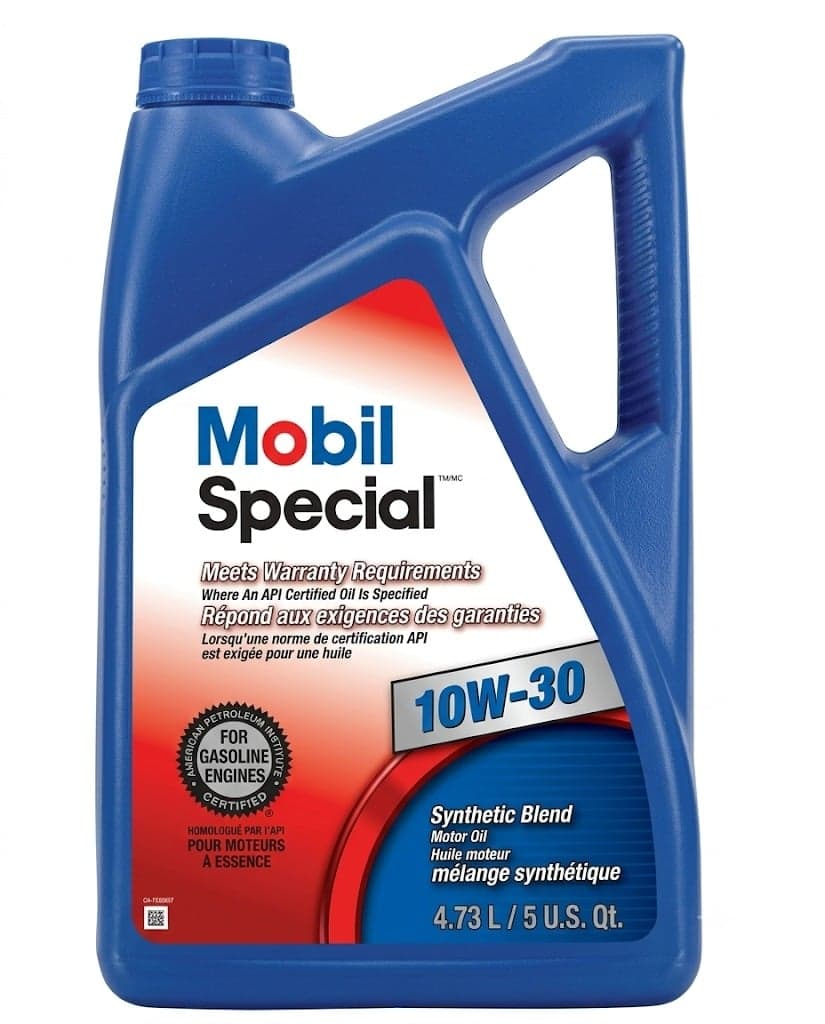
- Synthetic blend mixes synthetic and conventional base oil, landing between the two on both performance and cost. It is a common middle stock for shops that want a step up from conventional without going full synthetic on every change.
The takeaway: "synthetic" describes how the base oil is made and how well it endures, not a separate engine rating. A conventional and a full synthetic can both carry the same service category and the same viscosity grade.
Match the spec first, choose the base oil second
This is the part that protects you from a comeback. Synthetic versus conventional is a base-oil and cost decision. The engine standard is a separate set of marks you match first.
- The API service category (the "donut," API SP for current gasoline engines) tells you what engine the oil is built for.
- The SAE viscosity grade (the numbers like 0W-20 or 5W-30, set by the SAE J300 standard) tells you how the oil flows cold and hot.
- The ILSAC GF-6 mark confirms the gasoline-engine performance standard (GF-6A for the mainstream grades, GF-6B for the thin 0W-16 grade).
Read those first and match what the engine calls for. Then choose conventional, blend, or full synthetic by the engine's age, the duty it runs, and your cost. One more thing that settles the call on newer cars: many late-model engines are factory-filled with and specifically require a full-synthetic grade such as 0W-20, so for those engines synthetic is the requirement, not the upgrade. Our reps can match both the category and the grade for what your customers actually drive.
What each one is best for
- Stock full synthetic for late-model engines, anything the maker specifies as synthetic, turbocharged and direct-injection engines that run hot, longer drain-interval service, and the premium oil change you charge more for.
- Stock conventional or blend for older high-mileage engines on shorter intervals, budget changes, and customers who decline the upgrade. Plenty of older engines run fine on a correct-spec conventional oil changed on time.
- Let the local fleet decide the ratio. A shop that mostly turns newer passenger cars leans synthetic; one that works older trucks and economy cars keeps more conventional and blend on hand. Stock to what rolls into your bays, not to a national average.
The South Florida heat angle
Climate changes this call. South Florida runs hot year-round, with sustained heat and stop-and-go traffic that push oil temperatures up and accelerate oxidation, the breakdown that thickens oil and leaves deposits. A full synthetic's engineered base holds its protective film longer under that kind of heat and idle load, which is the argument for synthetic here. Note the difference from northern markets: the case for synthetic in Miami is heat endurance, not cold-start flow, because freeze protection is not the local concern. We stock for the climate you actually run in, and we also load synthetic for export accounts shipping into the Caribbean and Latin America, where the heat case is the same.
What a shop should stock, and the margin
Most South Florida shops carry a tiered shelf: a full-synthetic line in the common grades for modern and spec-required engines, a synthetic blend as the middle option, and a conventional line for older and budget jobs. The synthetic oil change is a higher-ticket service, a premium oil at a longer interval, and that is where the margin is. Here is the lever most shops miss: the spread between what you charge for that synthetic change and what the oil costs you is your margin, and buying the oil wholesale instead of paying retail per quart is how you keep it. Buy retail and the store markup eats into the premium you just charged; buy by the drum or tote and that markup comes off the oil. Stock the right base oil for the engine, then buy it at the lowest cost per quart so the premium service stays profitable.
Buying it wholesale, by the case, drum, or tote
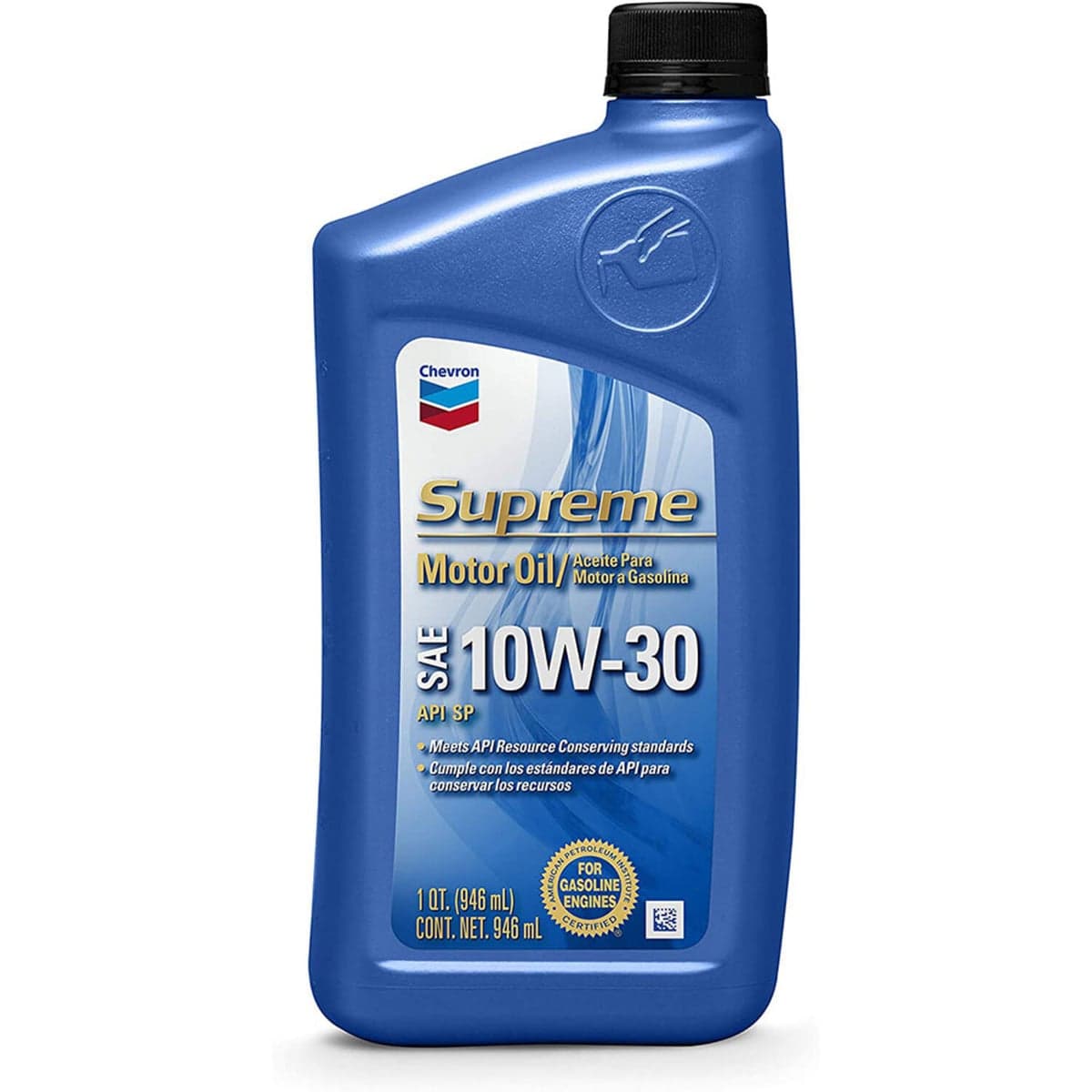
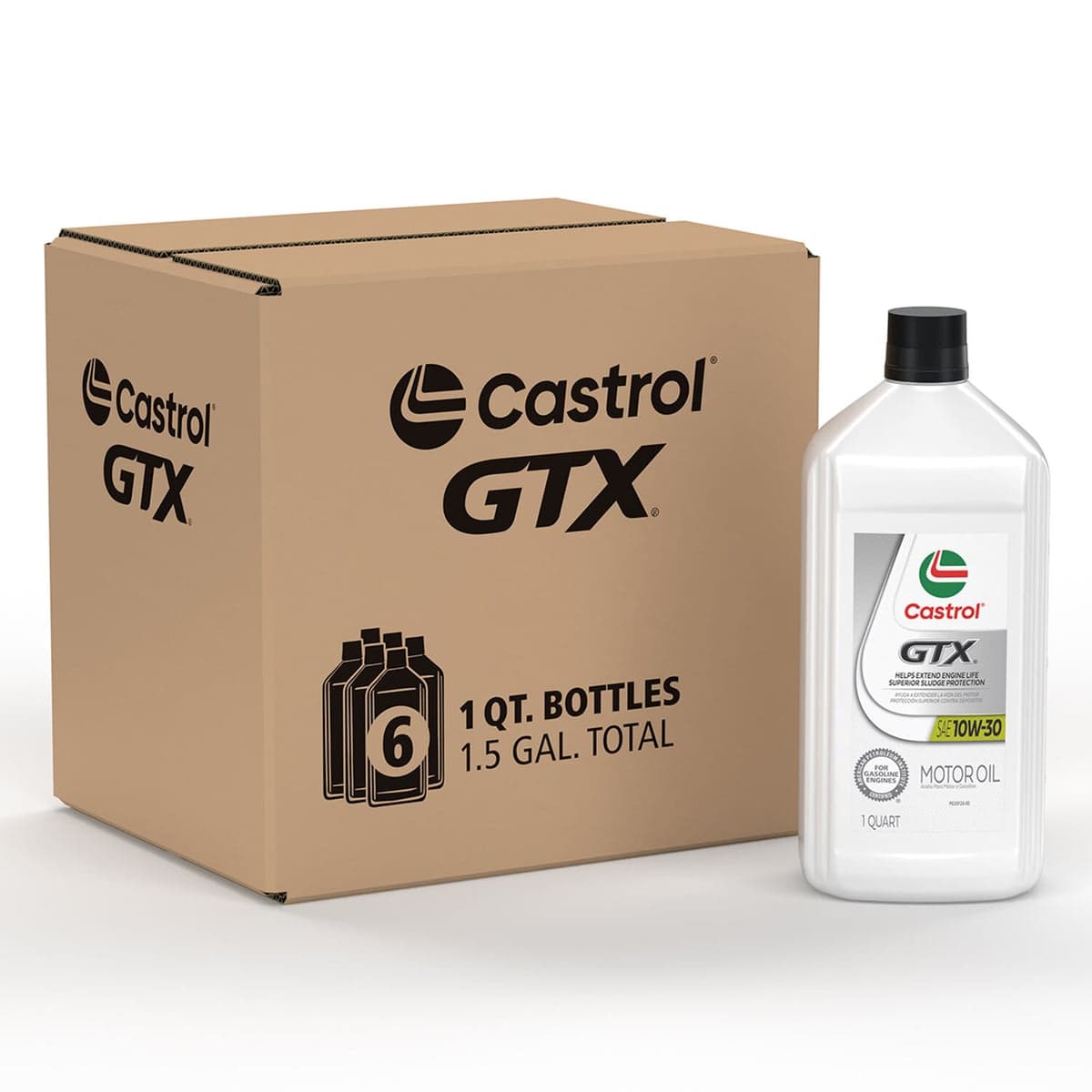
Once you know the grades and the base-oil mix you stock, the cost lever is volume. We sell motor oil by the case (cartons of quart or gallon bottles, our Thunder Oil line), and by the pail, drum (55-gallon), and tote (IBC, about 275 to 330 gallons, our American Oil house brand for bulk presentations), and the cost per quart drops as the package gets bigger, because a drum or tote spreads one wholesale rate across hundreds of quarts instead of a per-bottle markup. We carry 30+ brands including Mobil, Valvoline, Castrol, Shell, Chevron, Pennzoil, and Lucas in synthetic, blend, and conventional, so you can match any customer or OEM spec on one account. That same account also carries your diesel oil, DEF, coolant, grease, and additives, all on one invoice and one delivery from West Palm Beach to Homestead. We offer COD terms, and we export to the Caribbean and Latin America by the tote or container. Tell us your grades and your monthly volume and we will quote the tier that drops your cost per quart the most.
Stock the right oil, buy it at the right cost, with American Oil
Get the spec right first: match the API category and SAE grade the engine calls for, then choose conventional, blend, or full synthetic by the engine and the duty it runs. Once you know your stocking mix, open your wholesale account at aoilw.com, or call American Oil Wholesale and Distribution, to get a quote by package tier (case for counter and Thunder Oil, drum or tote for your highest-volume synthetic), bundle it with your diesel oil, DEF, and coolant on one account, and set up delivery from West Palm Beach to Homestead, with Caribbean and Latin America export available. Tell us your grades and monthly volume and we will quote the tier that keeps the margin on every synthetic change yours.
Sources
- American Petroleum Institute (API), Engine Oil base stock categories (Groups I to V), API 1509 Annex E. https://www.api.org
- American Petroleum Institute (API), Engine Oil service category API SP and the ILSAC GF-6 standards. https://www.api.org
- SAE International, SAE J300 engine oil viscosity classification. https://www.sae.org