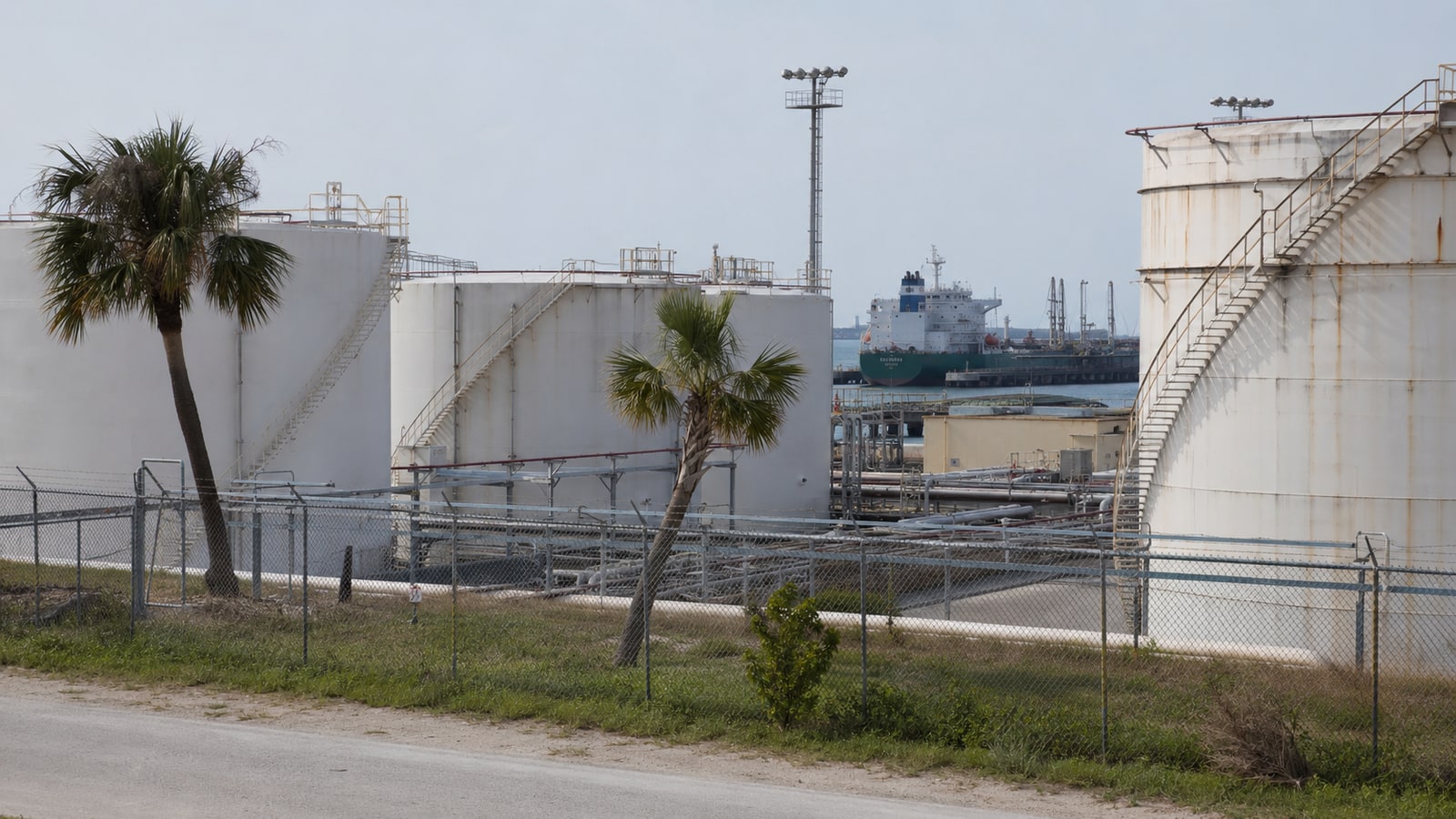
Group II and Group III base oil prices have risen sharply in 2026 following the Gulf conflict that began in late February, and as of July the situation is ongoing. If your shop, fleet, or export account has seen lubricant costs move since early 2026, the base oil supply chain is why. Danilo Hernandez, CFO of American Oil Wholesale, a Hialeah-based full-line wholesale distributor, has been tracking the input-cost data since the conflict began. This piece walks through what happened, what the current market data shows, and what it means for buyers in South Florida and our Caribbean and Latin America export accounts.
What base oil is and why it matters to your lubricant cost
Base oil is the primary ingredient in finished lubricants. It makes up roughly 75 to 90 percent of a finished motor oil or diesel engine oil by volume (ILMA, 2026), with the remainder being the additive package that carries API, ILSAC, and SAE performance certifications.
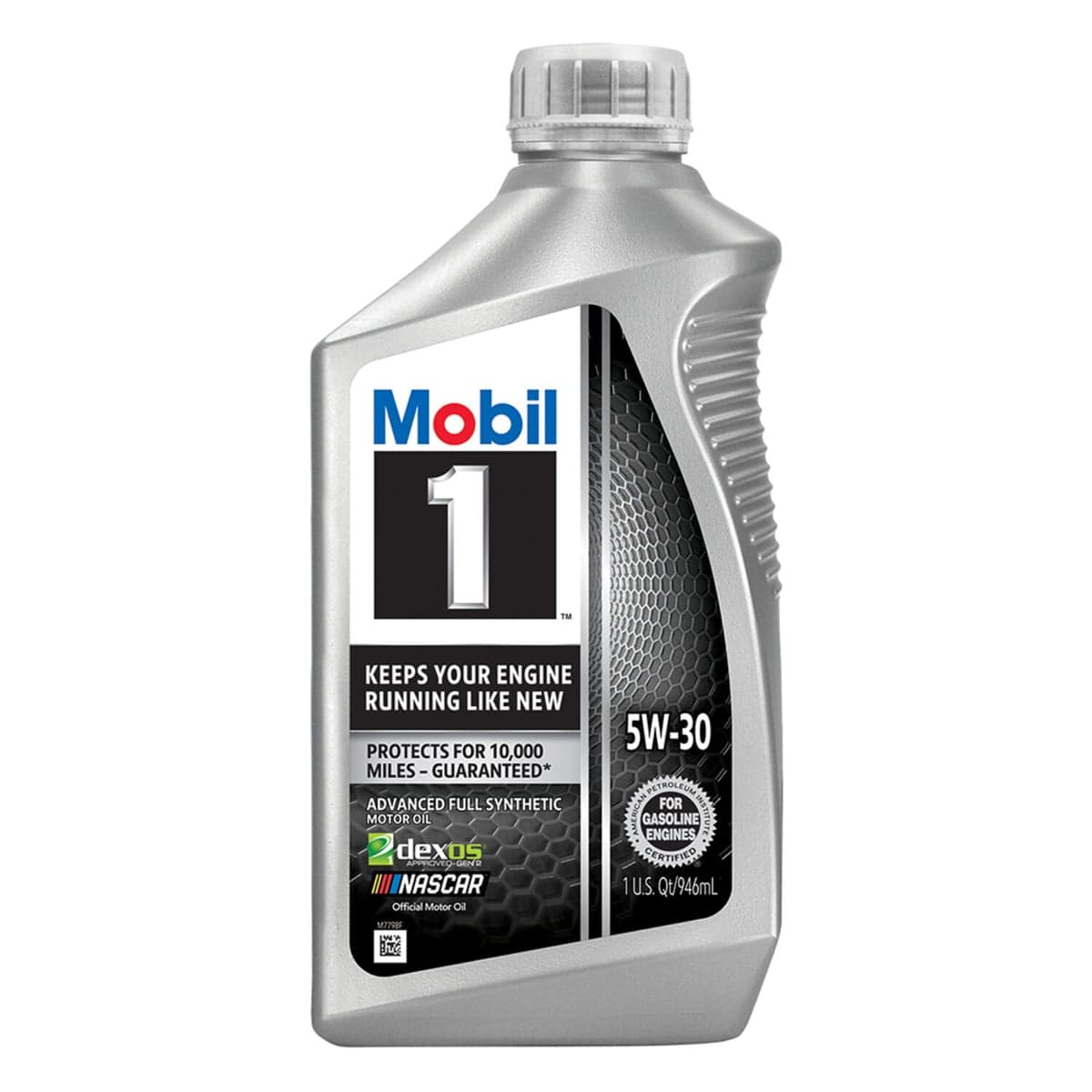
The industry classifies base oil into groups by refining method and purity. Group II is refined to higher purity than Group I and is the base for most modern motor oils. Group III is refined further, approaching synthetic-quality performance, and is the base stock used in full-synthetic and high-performance lubricants including many API SP and ILSAC GF-6 products. A significant share of global Group III production came from Gulf-region refineries, particularly in Qatar and the UAE, before the 2026 conflict.
What happened: the Gulf conflict and the Strait of Hormuz
The conflict that escalated in late February 2026 effectively closed the Strait of Hormuz to commercial tanker traffic. The Strait carries roughly 20 percent of global oil supply under normal conditions (CNBC, May 2026). With the Strait closed, Gulf crude flows dropped sharply, and base oil from Gulf refineries stopped moving through normal shipping routes.
A ceasefire was announced in early April 2026, but Argus Media reported that it did not change base oil market fundamentals: production and trade flows needed additional time to resume, and Group III supplies remained extremely scarce. The ceasefire was breached July 7-8, 2026, and the Strait of Hormuz was declared closed again on July 12, following US strikes the previous day. As of mid-July, crude oil prices had rebounded sharply from their brief post-ceasefire pullback.
What the price data shows
US Group III base oil spot prices more than doubled between pre-conflict February levels and April 2026 (Argus Media). By April 10, 2026, Argus Media assessed Group III 4cst spot prices in the United States at approximately $2,406 per metric ton. In northern Europe, Group III prices had risen nearly 100 percent since the outset of the conflict by May 2026 (CNBC, May 2026).
Group II base oil prices also moved higher as blenders turned to Group II to replace Group III in some applications, tightening supply of lighter Group II grades (JobbersWorld, 2026). Additive package costs rose on top of base oil, with major suppliers issuing surcharges that compounded the input cost increase for blenders and distributors.
The Independent Lubricant Manufacturers Association (ILMA) published a customer advisory in May 2026 confirming that the input cost increases are reflected in finished lubricant pricing across the industry (ILMA, May 2026).
Danilo Hernandez, our CFO, frames the practical impact this way: this is an input-side cost event, not a demand-side one, which means it flows through to finished lubricant pricing regardless of local economic conditions in South Florida. We are sourcing against the same pressures every distributor faces right now, and so is every reseller and distributor we supply.
What this means for South Florida and Caribbean/Latin America accounts
For shops and fleets in our delivery corridor, from West Palm Beach down to Homestead, the effect is direct: products blended on Group III base oil, including most full-synthetic API SP motor oils and premium API CK-4 diesel engine oil formulations, cost more to supply today than they did in January. Products blended on Group II are also affected, though less dramatically. We run next-day delivery across Miami-Dade, Broward, and Palm Beach counties, and the cost pressure lands on every route.
Miami is the primary export gateway for the Caribbean and Latin America. For accounts importing throughout the Caribbean and Latin America, the supply situation layers two cost pressures: the lubricant itself costs more, and ocean freight has been affected by rerouted shipping that has pushed container rates higher as well. Looking ahead, Argus Media's market reporting does not expect conditions to fully normalize until at least mid-2027. The ceasefire breach in July and the renewed Strait closure confirm this is not a short-term event to wait out.
What buyers can do
We carry more than 700 active products across 60-plus brands, including our own house lines, spanning motor oil, diesel engine oil, transmission fluid, hydraulic and gear oil, grease, coolant, DEF, and additives; the full lineup is on our brand directory. A few practical points for accounts navigating this environment:
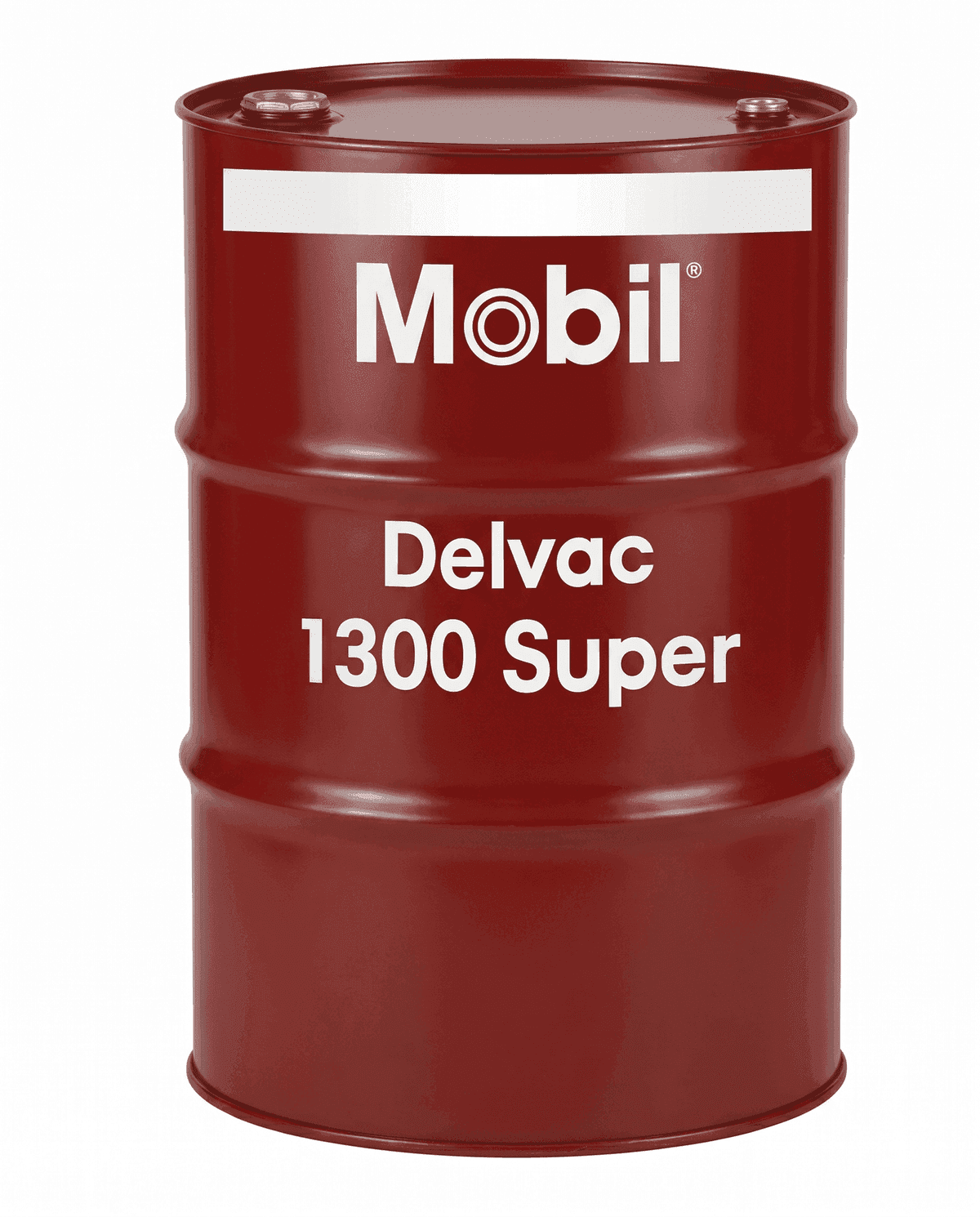
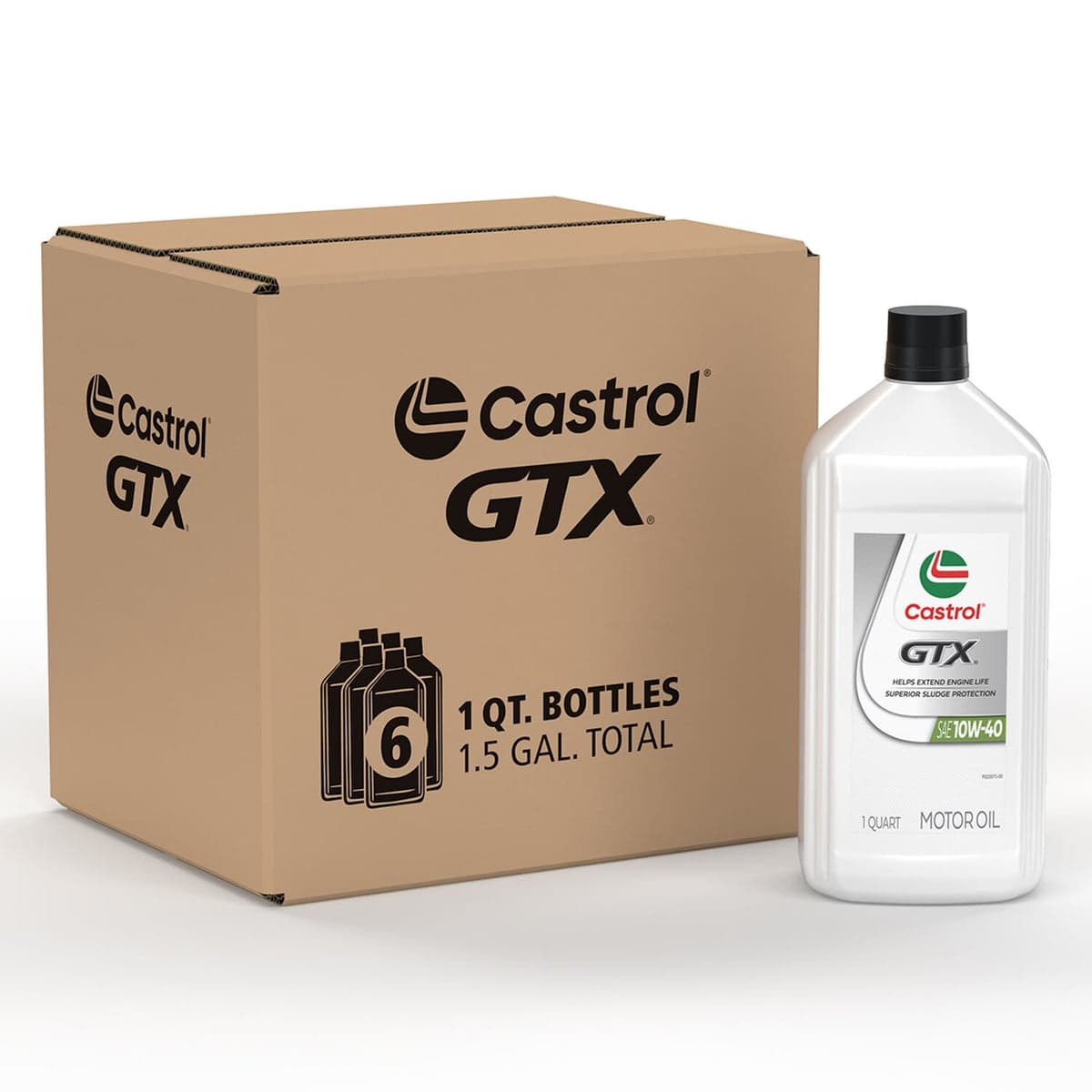
- Review your package-size tier. The cost per quart spread across 220 quarts in a 55-gallon drum, or across 1,100 quarts in a 275-gallon tote, is more favorable than case pricing when input costs are elevated. Moving up a tier on your highest-volume grade is the most practical cost lever available. A 55-gallon drum holds the equivalent of about 11 five-gallon pails; a 275-gallon tote holds the equivalent of about 5 drums. One delivery, one container, instead of dozens.
- Review shelf velocity on slower-moving Group III SKUs. A slow-moving full-synthetic unit now carries a higher replacement cost when you reorder. If you can consolidate to fewer SKUs on the shelf, this is the time to evaluate that.
- For export accounts: consolidate container loads. Combining your full lubricant order into one container build reduces freight touches, and our EXW Miami export program handles the dock loading and paperwork. Talk to us about timing a container build around your quarterly demand.
Tell us your grades and monthly volume and we will quote the tier that works best for your operation. Request a wholesale or export quote to get current pricing by grade and package size. We deliver from West Palm Beach to Homestead, and we export to the Caribbean and Latin America through the Miami gateway.