DOT 3, DOT 4, and DOT 5.1 are glycol-ether-based brake fluids, all governed by the minimum boiling points in FMVSS No. 116 (49 CFR Part 571.116), the federal safety standard for brake fluid in the United States, and they are backward-compatible with each other: DOT 4 can go wherever DOT 3 is specified, and DOT 5.1 can go wherever DOT 4 is specified. DOT 5 is silicone-based, not glycol, and mixing it with any glycol fluid destroys the system. Once you know which ratings your bays need, American Oil Wholesale and Distribution, a Hialeah-based full-line distributor, supplies brake fluid by the case alongside the motor oil, coolant, and DEF an auto repair shop already buys on one wholesale account.
If you run a repair shop or a fleet operation in South Florida, a brake fluid spec error does not mean a comeback, it means a brake failure. This guide covers what the DOT numbers mean, the compatibility rule that cannot be bent, what most South Florida bays should stock, and why buying by the case on a wholesale account beats sourcing retail per bottle.
What the DOT rating means: FMVSS No. 116 and boiling points
DOT ratings for brake fluid are defined by FMVSS No. 116 (49 CFR Part 571.116), the Federal Motor Vehicle Safety Standard that sets minimum equilibrium reflux boiling points (ERBP) for new dry fluid and for fluid aged to 3.70 percent water by weight per NHTSA TP-116-04, the wet ERBP. Higher-rated fluids have higher minimum boiling points.
- DOT 3: minimum dry ERBP 205°C (401°F), minimum wet ERBP 140°C (284°F) per FMVSS No. 116. The floor standard, still specified on many older domestic vehicles and light commercial applications.
- DOT 4: minimum dry ERBP 230°C (446°F), minimum wet ERBP 155°C (311°F) per FMVSS No. 116. Backward-compatible with DOT 3; the default upgrade fluid that covers most modern domestic and import work.
- DOT 5.1: minimum dry ERBP 260°C (500°F), minimum wet ERBP 180°C (356°F) per FMVSS No. 116. Glycol-based, not silicone; designed for high-performance applications and vehicles with demanding ABS cycles that need the highest boiling points in the glycol family.
- DOT 5: minimum dry ERBP 260°C (500°F), minimum wet ERBP 180°C (356°F) per FMVSS No. 116. Silicone-based (polydimethylsiloxane), NOT compatible with any glycol fluid. Boiling points match DOT 5.1 but the chemistry does not.
The numbers suggest a ladder, but DOT 5 is not the top rung. DOT 5 is a parallel, incompatible chemistry that shares the boiling point tier of DOT 5.1 and nothing else.
The compatibility rule: glycol versus silicone
DOT 3, DOT 4, and DOT 5.1 are all polyethylene glycol ether based, so they mix freely with each other, while DOT 5 silicone must never touch any of them. A DOT 4 system that receives DOT 5.1 during a flush is not contaminated, it is upgraded. When silicone and glycol fluid contact each other, they separate into layers that can gel in the caliper passages and master cylinder, producing spongy pedal, brake fade, and in the worst case, total brake loss.
Glycol fluids are hygroscopic: they absorb moisture from the air over time, which lowers the wet ERBP toward the FMVSS No. 116 minimum. That is the reason brake fluid service intervals exist, not a marketing invention. Silicone DOT 5 does not absorb moisture, but that is not the advantage it appears to be: water that enters a silicone system pools in low points and sits, causing localized corrosion and freeze pockets in the caliper and lines. Most OEMs specify glycol fluid because predictable moisture absorption across the entire system is safer to manage than isolated pooling. Silicone DOT 5 is specified for a narrow set of applications: certain classic cars, military vehicles, and storage situations where long shelf life in the reservoir matters more than corrosion control under daily service.
The rule: read the reservoir cap. If the cap says DOT 3 or DOT 4, stock and use DOT 3, DOT 4, or DOT 5.1. If the cap says DOT 5, confirm it is a genuine silicone application before you open the bottle. Do not mix.
What most South Florida shops should stock
A general South Florida repair shop covers the vast majority of its bays with two glycol shelf positions: DOT 3 for the older domestic tickets that still specify it, and DOT 4 as the backward-compatible default for everything modern. Here is how each earns its shelf space.
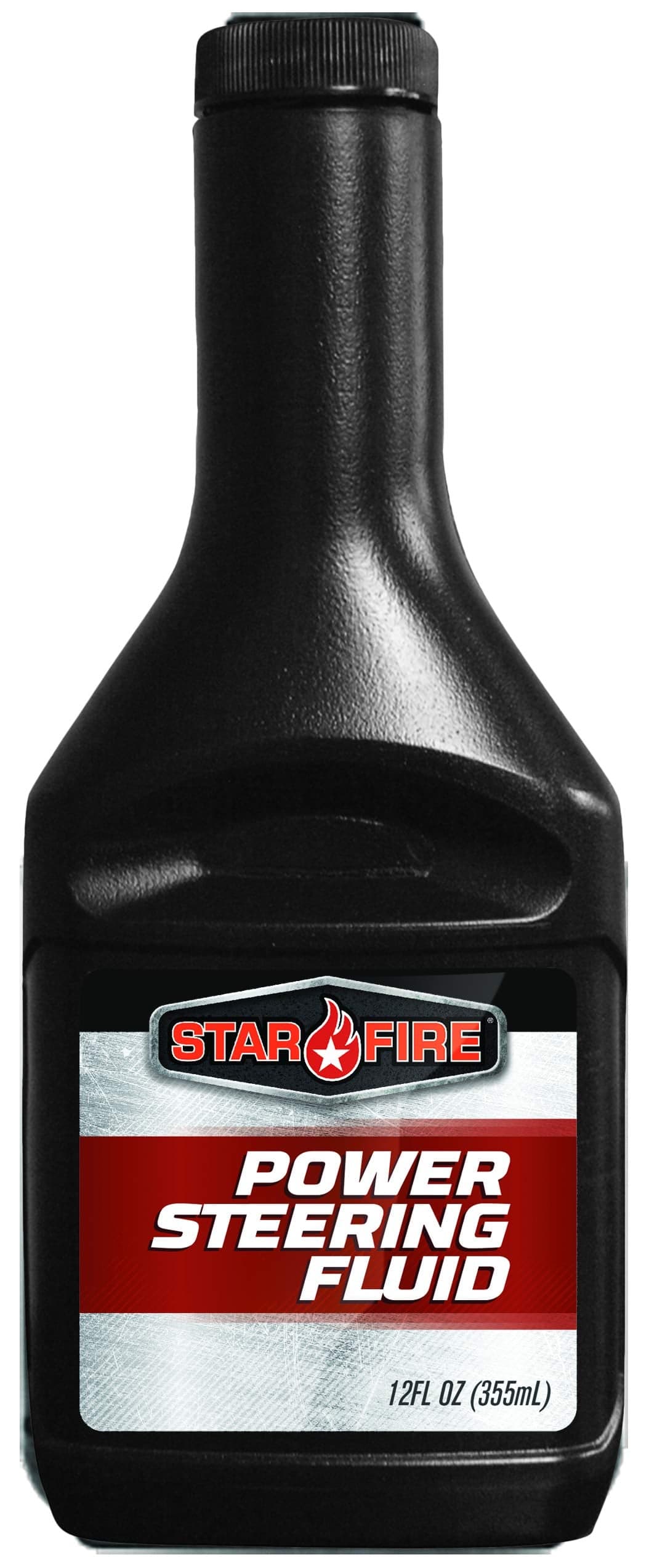
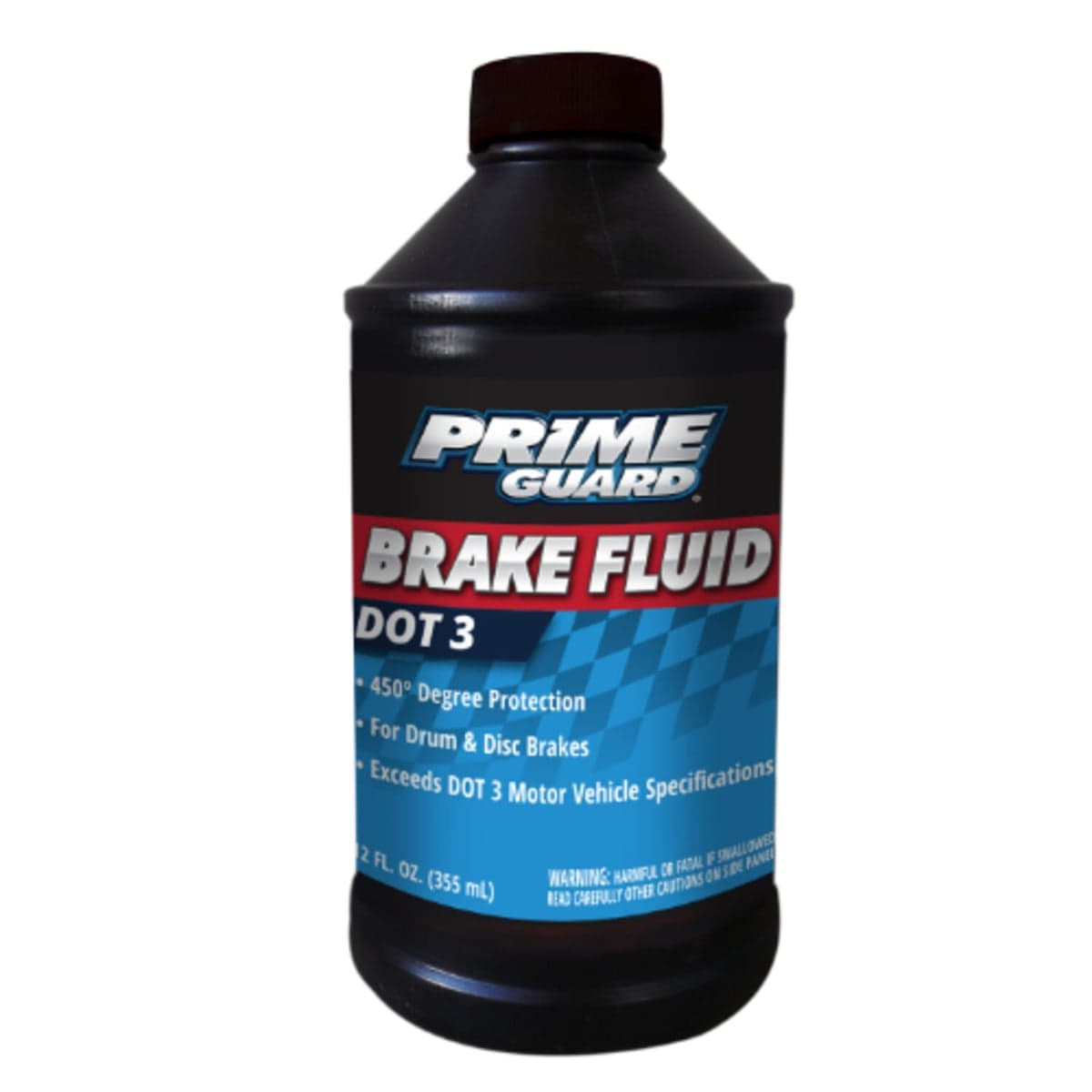
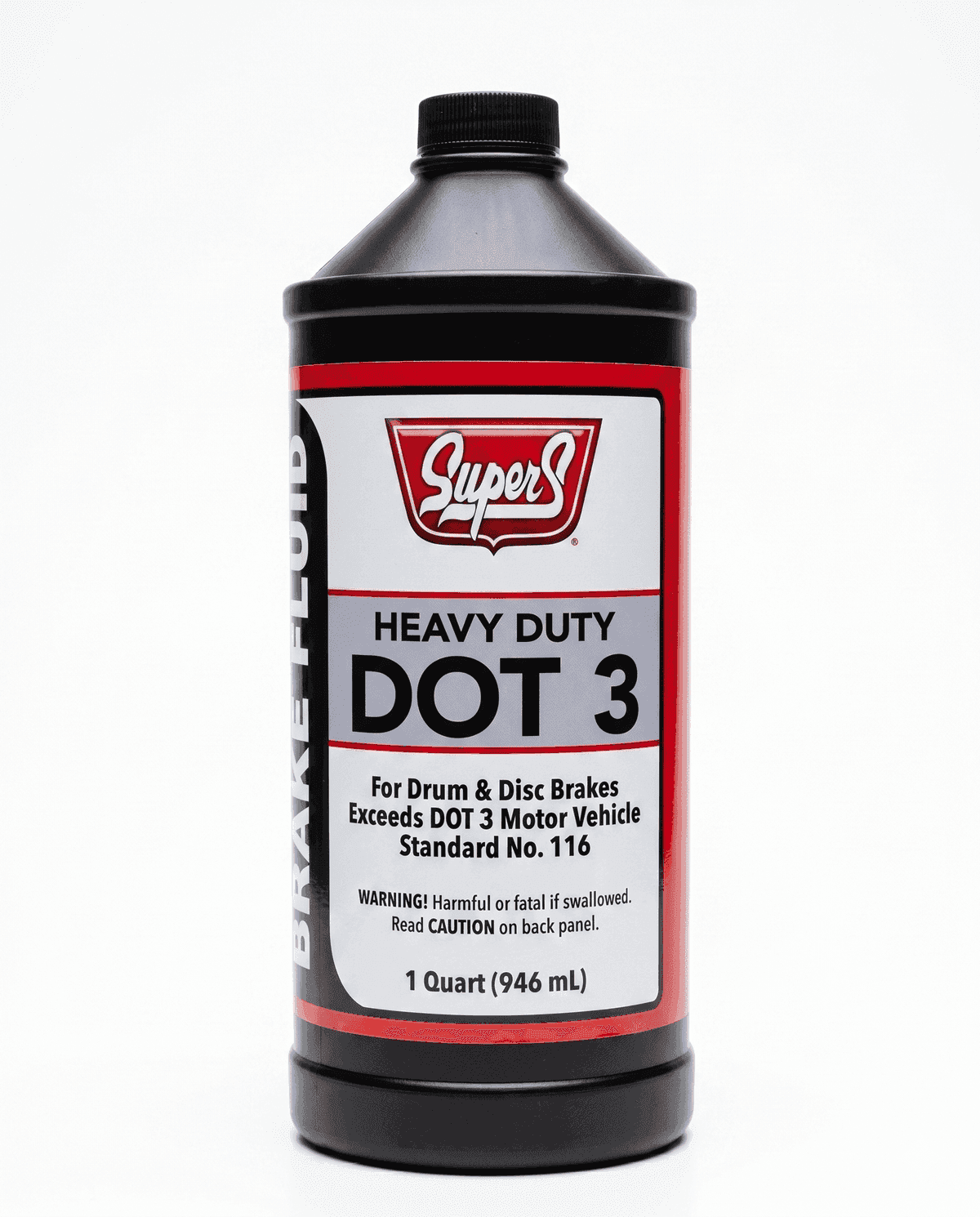
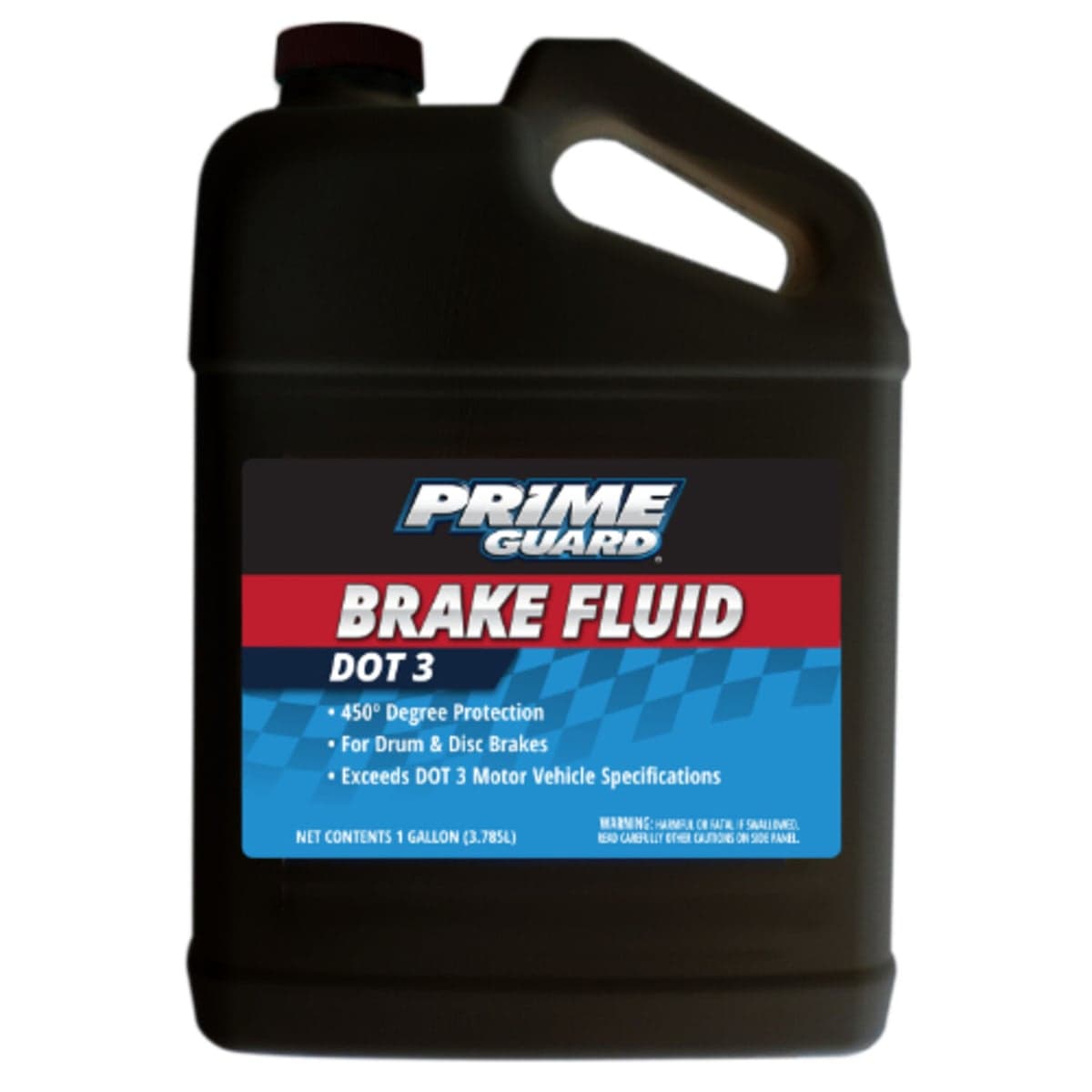
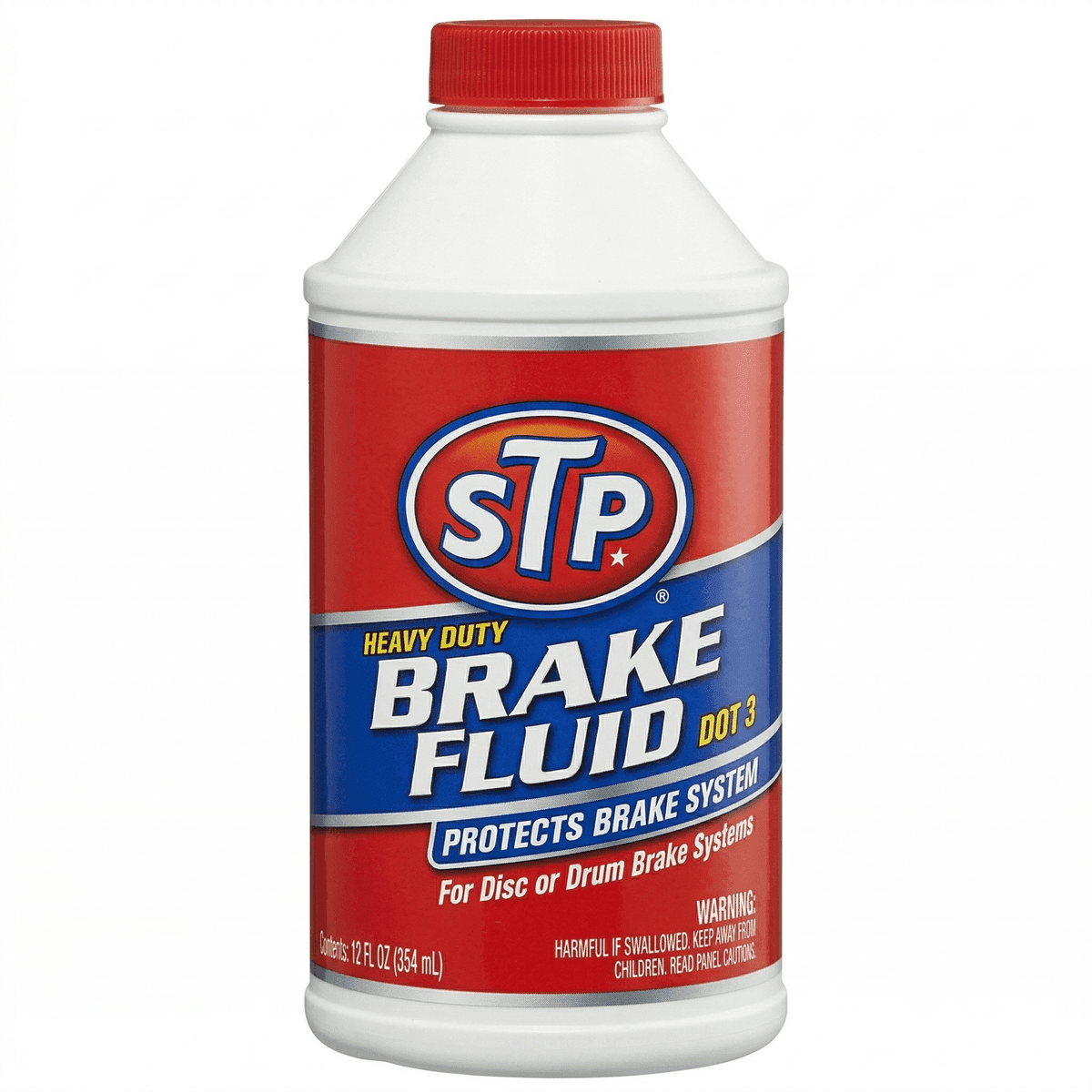
DOT 3 is the working volume fluid in this market. It is still the specified fluid on a large share of the older domestic vehicles and light commercial trucks that fill South Florida bays. This is the rating we stock deepest: Prime Guard DOT 3 Brake Fluid in 12-ounce cases and Prime Guard Brake Fluid in quart and gallon formats, plus Starfire DOT 3 Brake Fluid, Super S Heavy Duty Brake Fluid DOT 3, and STP DOT 3 Brake Fluid, so a shop can match its DOT 3 shelf to the brand program it already runs.
DOT 4 as the modern default. Because its minimum dry ERBP of 230°C (446°F) exceeds the DOT 3 minimum of 205°C (401°F) per FMVSS No. 116, DOT 4 is backward-compatible with DOT 3 specifications and meets the required minimum for many modern European and domestic vehicles. A shop whose ticket mix runs newer needs a DOT 4 position; ask your sales rep which DOT ratings and case formats are currently available before you plan the shelf.
DOT 5.1 belongs only in shops that regularly flush demanding ABS and electronic brakeforce distribution systems on European or performance vehicles, and DOT 5 silicone only where a classic or specialty application specifically calls for it by the manufacturer. Neither needs shelf space in a typical general repair bay.
South Florida's combination of year-round heat and high humidity matters here. Glycol brake fluid absorbs moisture from ambient air, and higher humidity accelerates the absorption rate, pulling the wet ERBP toward the FMVSS No. 116 floor faster than a dry climate would. A Miami-Dade shop running brake service on high-mileage vehicles in the stop-and-go traffic of US-1 or the Palmetto on a 95-degree summer day should treat the OEM brake fluid service interval as a hard deadline, not a suggestion. Fluid that has absorbed enough moisture can approach its wet ERBP minimum (140°C for DOT 3, 155°C for DOT 4) well before an extended service window catches it.
Caribbean and Latin America buyers ship brake fluid in cases on the same container as motor oil and coolant through our EXW Miami export program. The DOT ratings from FMVSS No. 116 correspond to ISO 4925 class equivalents (class 3, class 4, class 5.1), the international brake fluid standard, so the same DOT 3 cases that stock a South Florida bay meet the spec language importers see at home.
Buying brake fluid wholesale, by the case
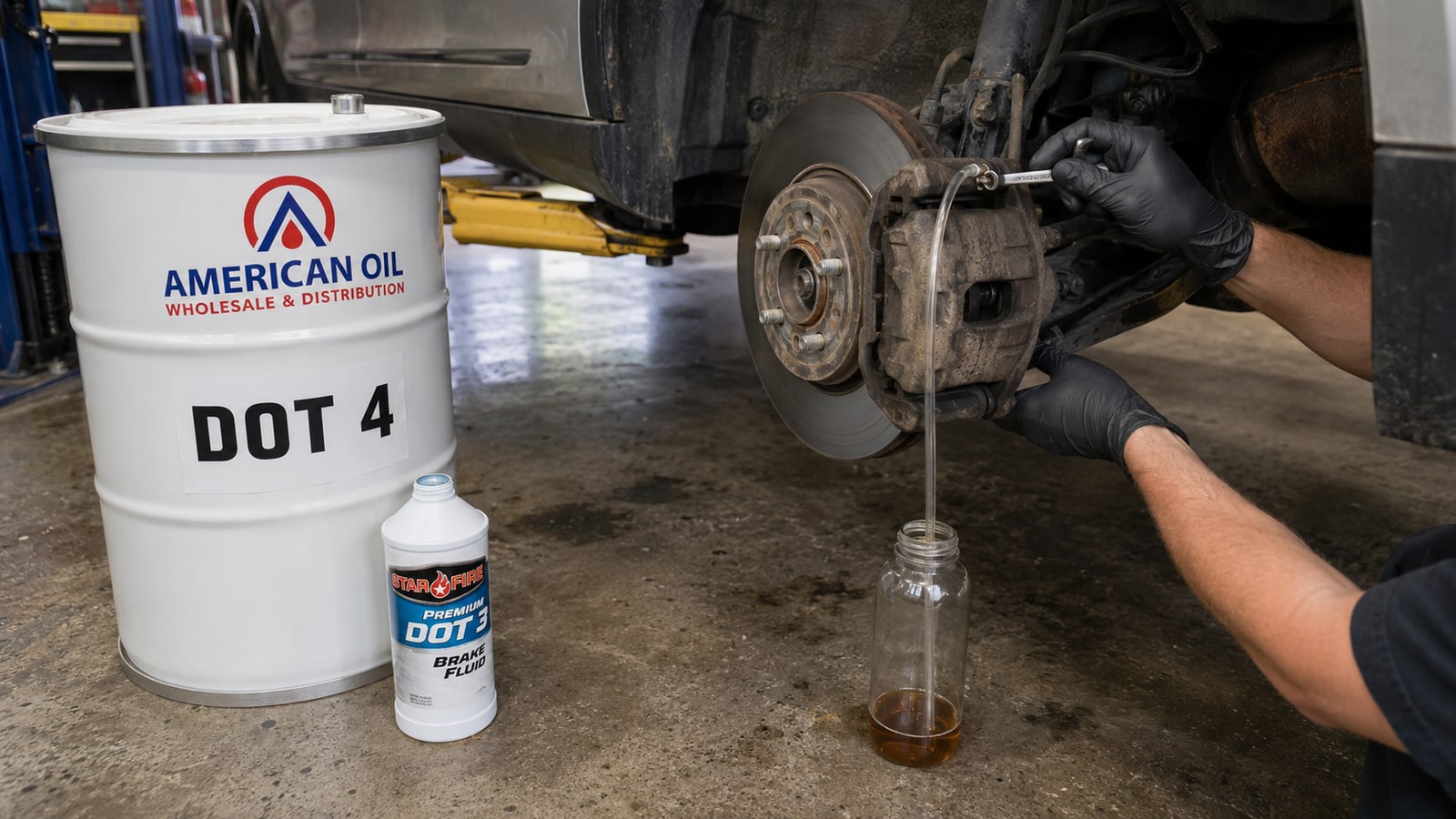
Brake fluid is a case buy for most shops. A case gives you multiple sealed bottles at the wholesale per-bottle rate; at roughly one to two bottles per brake flush depending on the bottle size and vehicle brake system volume, a case covers several services at one wholesale price. Compare that to sourcing retail by the bottle: every flush means paying that store's per-bottle markup on top of the product cost. Buying the case wholesale eliminates that per-bottle markup from every service in the case, and the savings compound across every flush.
Unlike motor oil, which justifies drums and totes at volume, brake fluid does not need a pump or drum storage. Cases give you the right pick-and-use unit: sealed bottles, good shelf stability in unopened containers, no drum, no pump.
One account with American Oil covers your brake fluid alongside your motor oil, ATF, coolant, DEF, gear oil, and grease on one invoice, with next-day delivery across Miami-Dade, Broward, and Palm Beach counties. The $250 minimum domestic order is easy to clear once brake fluid rides with the rest of your fluid order, and C.O.D. terms let a new account start simple before longer credit terms are arranged.
Check the cap, match the rating, source it wholesale
Read the reservoir cap first, match the DOT rating, and keep glycol and silicone on separate shelves with clear labels. Once you know your shelf requirements, request a wholesale quote to confirm brake fluid availability by DOT rating and add it to the same invoice as your motor oil, coolant, DEF, ATF, and grease.