Heavy-duty diesel engines require coolant engineered to prevent cylinder liner cavitation, not just freeze protection, and the two correct choices are OAT extended life coolant (ELC) and conventional heavy-duty coolant maintained with supplemental coolant additives (SCAs). Both must meet ASTM D6210, Standard Specification for Fully-Formulated Glycol Base Engine Coolant for Heavy-Duty Engines, which sets corrosion, cavitation, and heat-transfer requirements that light-duty automotive antifreeze formulated to ASTM D3306 does not meet. Once you know which type your engines require, American Oil Wholesale supplies it by the case, drum, and tote on the same account as your diesel engine oil and DEF, with wholesale fleet supply across South Florida.
If you run a diesel fleet or a heavy-duty shop, putting light-duty antifreeze in a diesel cooling system is the kind of error that shows up as a cylinder liner failure, not a low-coolant warning. This guide explains what separates ELC and conventional HD coolant, why SCAs are required in a wet-sleeve diesel, how to read the ASTM specification on the label, and how to match package size to your fleet's service volume.
Why heavy-duty diesel cooling is different
Heavy-duty diesel engines have a failure mode that light-duty coolant chemistry does not address: cylinder liner cavitation. Light-duty automotive antifreeze protects against freeze and basic corrosion, and that is where its job ends.
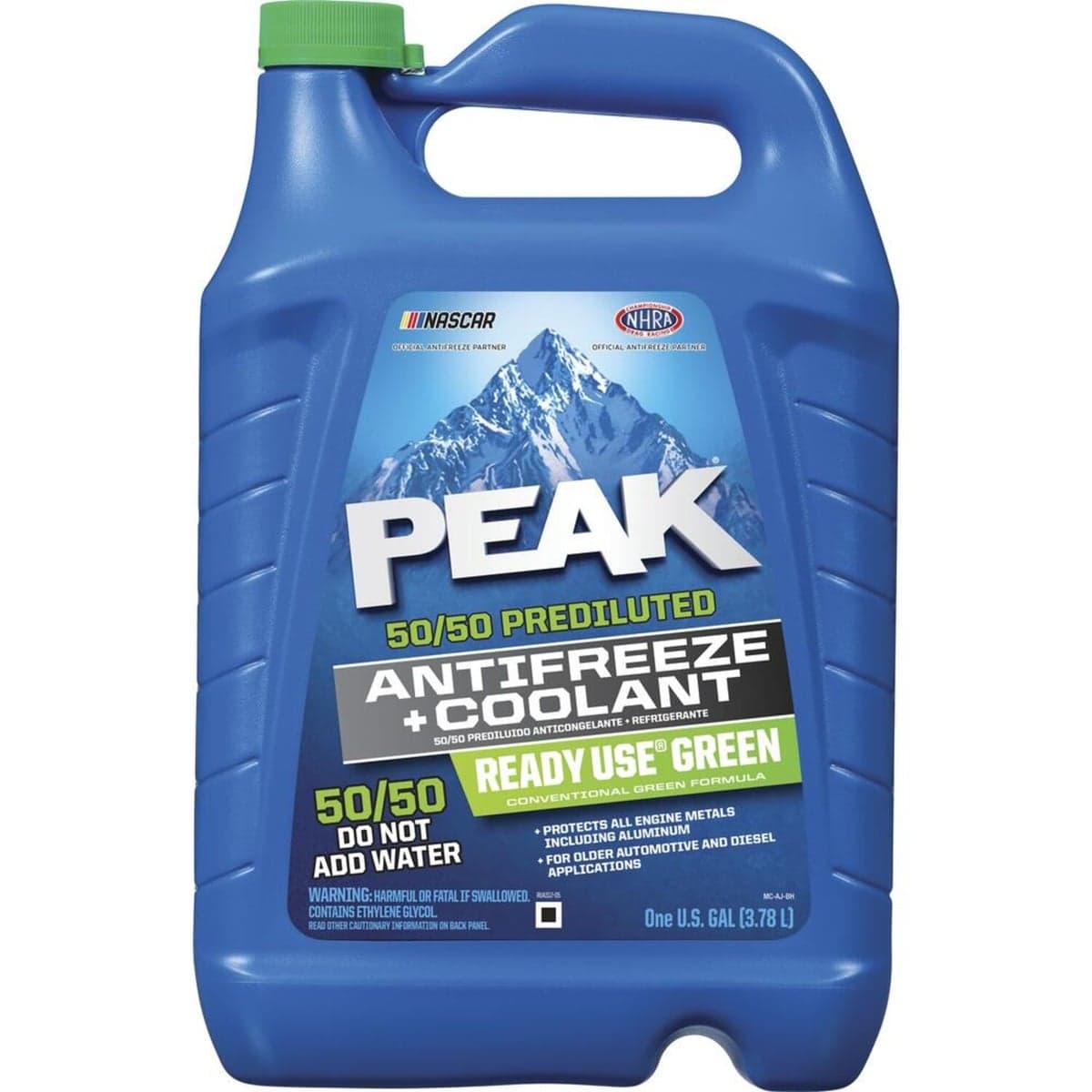
In wet-sleeve diesel engines, the rapid combustion pressure pulses cause the liner to flex against the surrounding coolant. That flexing forms and collapses vapor bubbles on the outer liner wall, a process called cavitation-induced erosion, and repeated bubble collapse pits the liner surface. Left untreated, liner pitting leads to coolant infiltrating the cylinder, which is an expensive repair. Nitrite is the primary inhibitor that forms a protective film on the liner surface and suppresses that erosion. Light-duty antifreeze formulated to ASTM D3306 does not carry the nitrite concentration that wet-sleeve diesel liner protection requires, which is why the two products are not interchangeable for diesel fleet applications.
Conventional heavy-duty coolant and SCA service
Conventional heavy-duty coolant, formulated to ASTM D6210, uses inorganic inhibitors, primarily nitrite and molybdate, to protect liner surfaces and prevent corrosion across the cooling system. Those inhibitors are consumed over time, which is why conventional HD coolant requires supplemental coolant additive (SCA) treatments at defined intervals to keep inhibitor levels in the protective range specified by your coolant manufacturer.
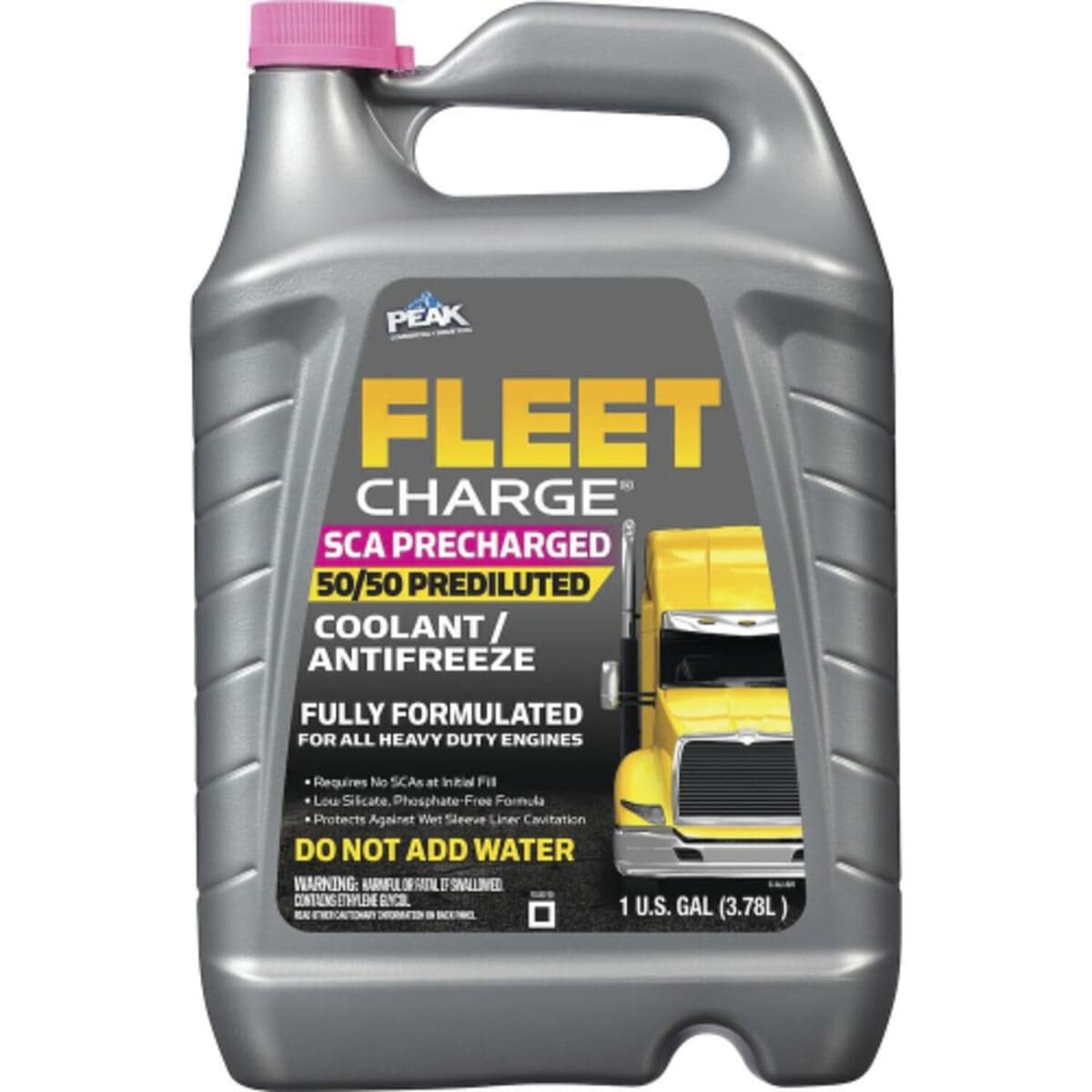
The SCA service cycle is the maintenance overhead of the conventional approach. You test nitrite concentration with an SCA test strip and add SCAs when the reading falls below target. The test adds a step to the PM cycle but the materials cost is low and the test is fast. Skip the SCA dose and the liner protection degrades; overdose and you risk inhibitor dropout and deposits in the cooling passages. Managing SCAs as a scheduled PM line item, the same way you schedule filter intervals and oil analysis, keeps the chemistry in range without guesswork. A fully formulated conventional option in this lane is Peak Fleet Charge 50/50, sold by the gallon case.
OAT extended life coolant (ELC)
OAT extended life coolant uses organic acid technology inhibitors instead of inorganic salts. OAT inhibitors replenish on metal surfaces by chemisorption, depleting more slowly than nitrite-based chemistry. The practical result is a longer drain interval without a mid-drain SCA service cycle.
ELC drain intervals vary by engine maker and product, so check your OEM specification before committing to a schedule. Major diesel engine OEMs including Cummins, Detroit Diesel, and Caterpillar publish approved ELC product lists and recommend ELC for current equipment. The trade-off is that OAT ELC and conventional nitrite coolant must never be mixed. Mixing OAT chemistry into a system that holds conventional nitrite coolant dilutes the organic acid inhibitors and can precipitate deposits in the cooling passages. When converting a fleet from conventional to ELC, drain and flush the cooling system completely before refilling. Never top off an ELC system with conventional coolant.
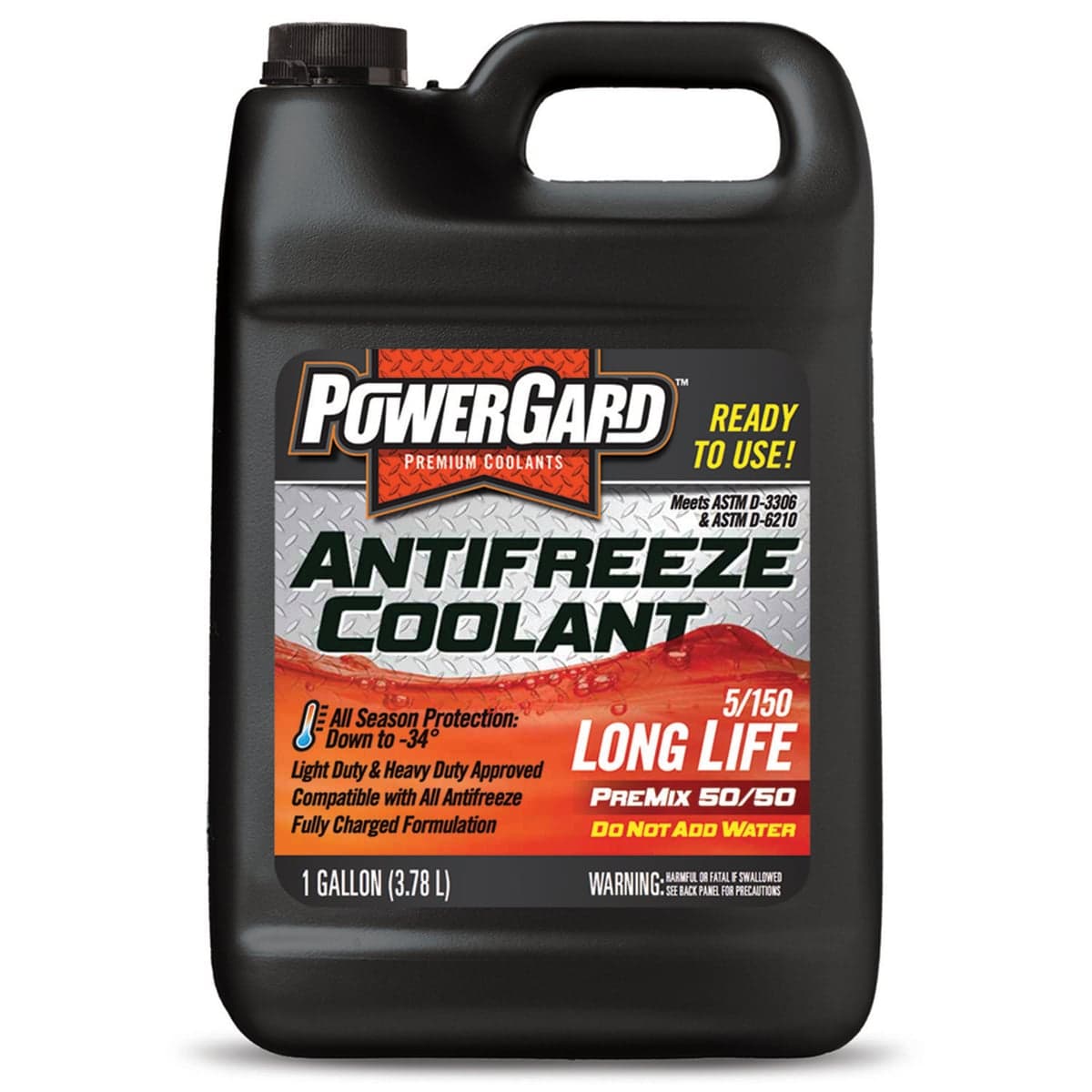
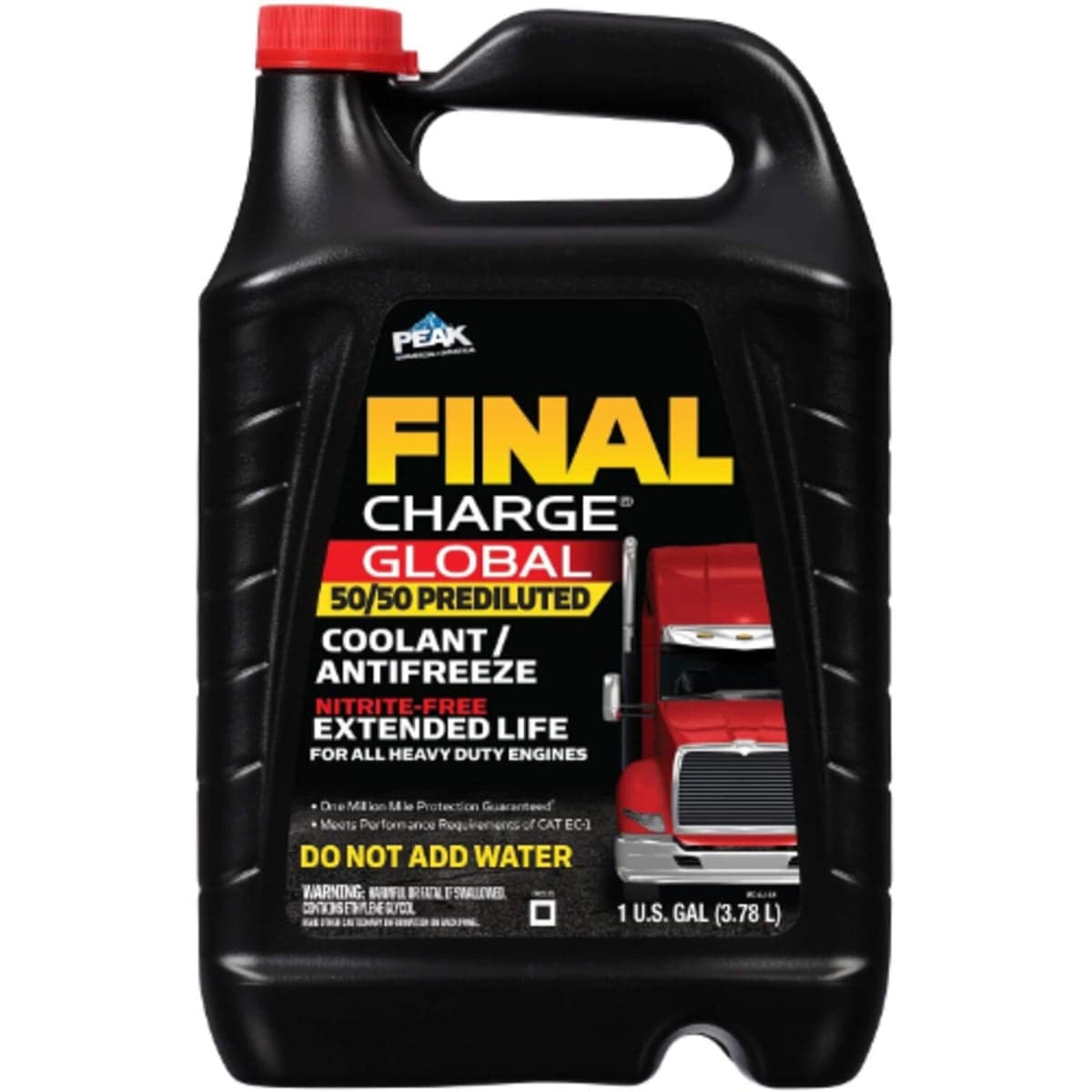
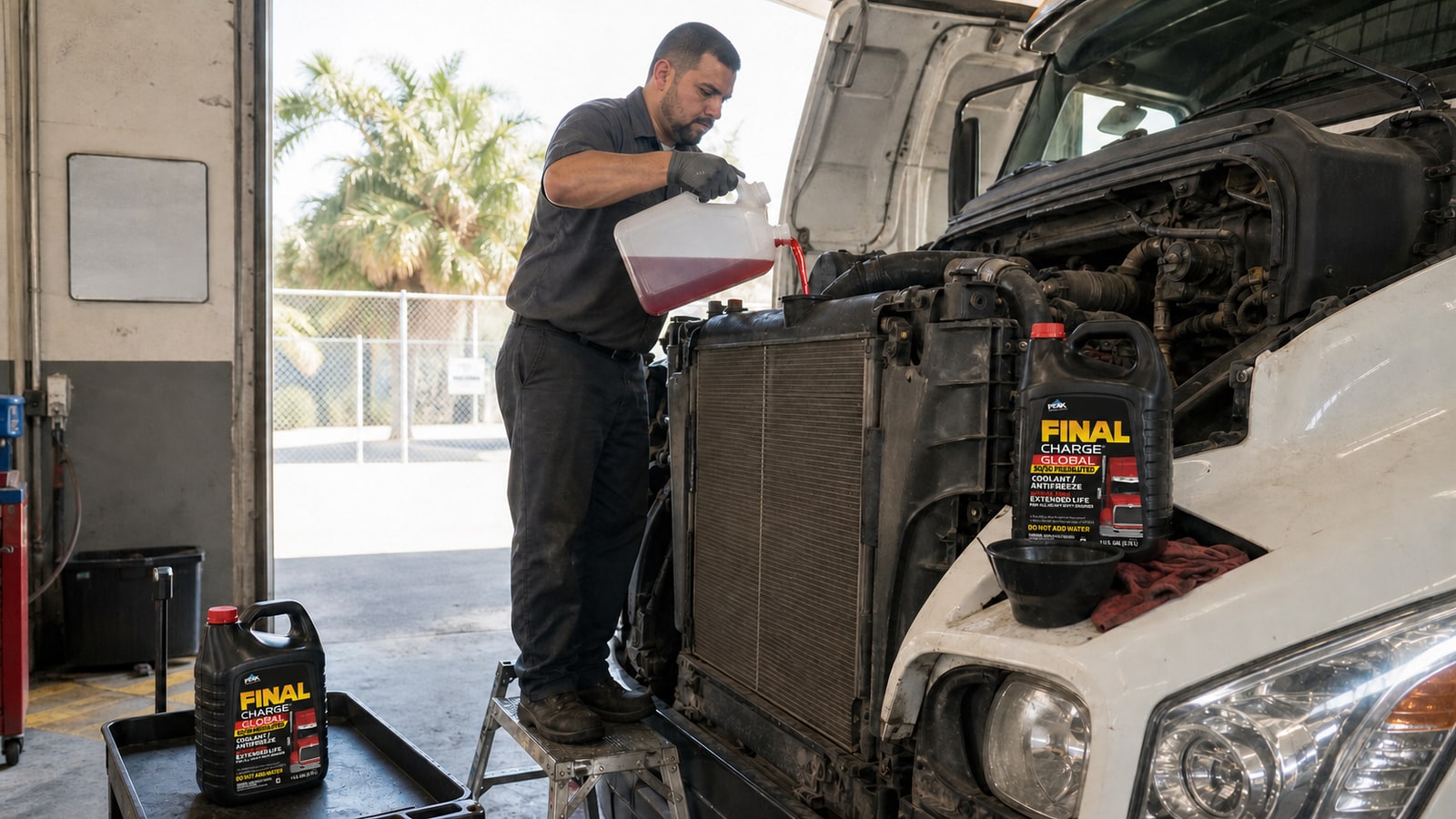
On the extended life side we stock Thunder Heavy-Duty Extended Life 50/50 Antifreeze & Coolant and Thunder Heavy-Duty Extended Life Concentrate Antifreeze & Coolant in gallon cases, 55-gallon drums, and 275-gallon totes, plus Peak Final Charge Global 50/50 Heavy Duty Antifreeze and Powergard Heavy Duty Extended Life Red 50/50 Antifreeze by the gallon case.
How to read the specification
ASTM D6210 is the baseline both ELC and conventional HD coolant must meet, and the standard covers both pre-diluted (50/50) and concentrate formats. Pre-diluted ASTM D6210 product is ready to use and provides freeze protection to approximately -34 degrees F (-37 degrees C) at the 50/50 ratio. In South Florida, that freeze specification is not operationally relevant because ambient temperatures do not reach freezing, but ASTM D6210's heat-transfer, corrosion, and cavitation requirements apply to every cooling system regardless of climate.
When you read the coolant label, look for two things together: the ASTM D6210 standard call-out and the inhibitor type (OAT for ELC, or conventional for inorganic nitrite chemistry). OEM approval language from engine makers such as Cummins, Detroit Diesel, and Caterpillar tells you the product has been validated against those engines' cooling system specifications. A product that claims "extended life" without an ASTM D6210 citation or OEM approval listing is unverified and should not go into a fleet vehicle. If you are matching a name-brand fill to an equivalent, the coolant color families are laid out on our lubricant and coolant cross-reference chart.
The South Florida angle
South Florida fleet cooling systems run in conditions that test inhibitor endurance without any cold-weather relief period. Year-round high ambient temperatures combined with stop-and-go port drayage cycles and highway freight runs in Miami-Dade keep coolant operating temperatures elevated for more total hours per year than a northern climate fleet. Those conditions accelerate inhibitor depletion in conventional coolant, which means SCA test intervals matter more here, not less.
Fleets operating out of PortMiami, the Homestead logistics area, and the Miami-Dade freight network run engines at sustained load in year-round tropical humidity. That environment also drives external corrosion on aluminum cooling system components. Getting the coolant specification and service interval right is not a seasonal task in South Florida; it is a year-round maintenance requirement.
Caribbean and Latin America buyers follow the same ASTM D6210 standard across markets, so the drum or tote that supplies a South Florida fleet can supply a Kingston, San Juan, or Santo Domingo operation at container-load quantities through our EXW Miami export program, with a $1,250 minimum export order.
Matching package size to your fleet's service volume
We carry heavy-duty diesel coolant by the gallon case, the 55-gallon drum (equivalent to 220 quarts), and the 275-gallon tote. The right package depends on how you service: flush-and-fill on multiple units per month moves through a drum quickly and justifies drum or tote quantities; a shop that services only one or two heavy-duty vehicles per month may do better with gallon cases for a specialty grade and a drum for the highest-volume product. Tell us your coolant grade, whether you flush or top off, and how many trucks per month, and we will match the package tier to your throughput.
Stock the right heavy-duty coolant and buy it right, with American Oil
Get the specification right first: check your engine maker's required coolant type, confirm it carries an ASTM D6210 standard call-out, and match the package to your monthly service volume. Once you know, request a wholesale quote to bundle your coolant with your diesel engine oil and DEF on one account, with next-day delivery from West Palm Beach to Homestead and Caribbean and Latin America export available.