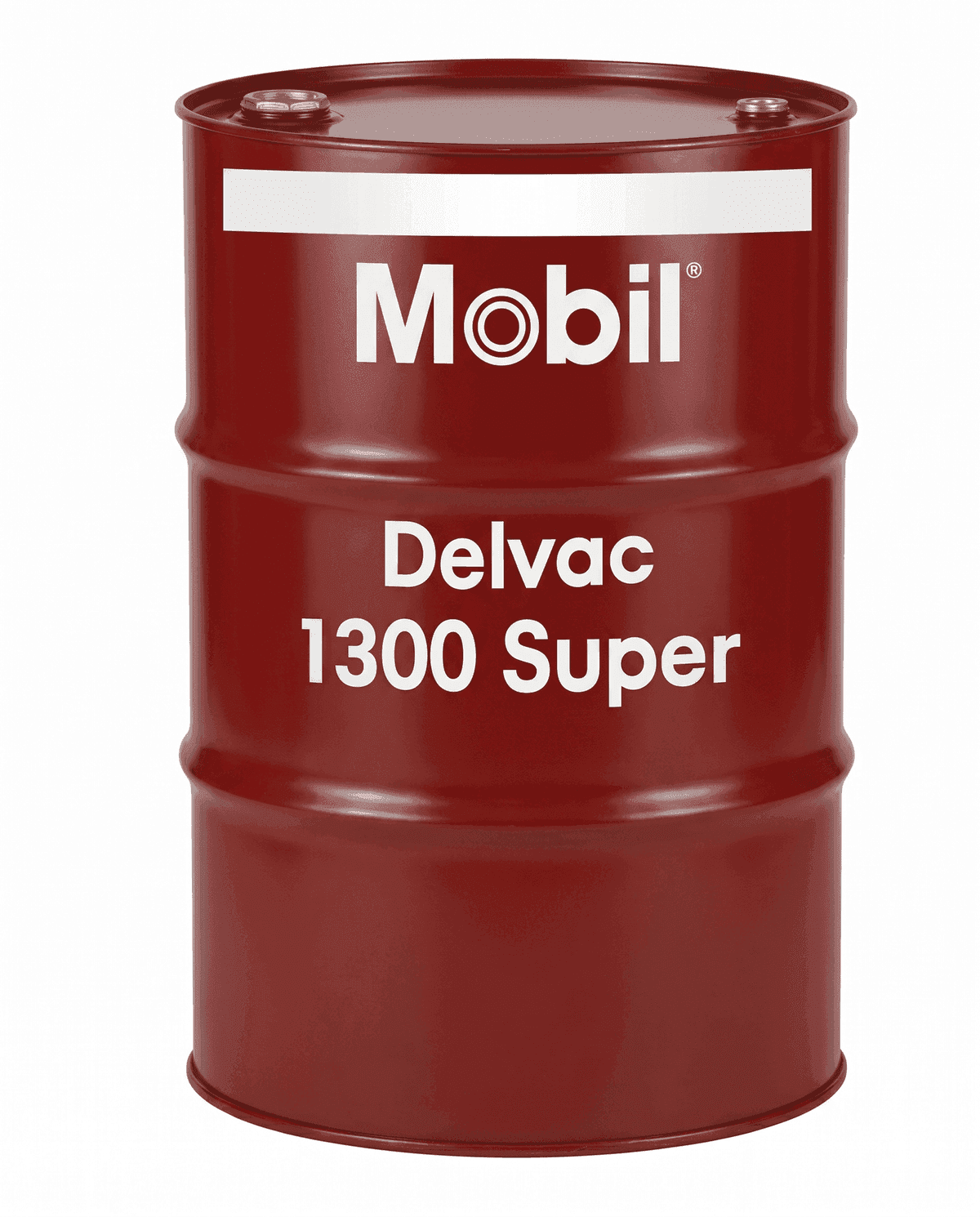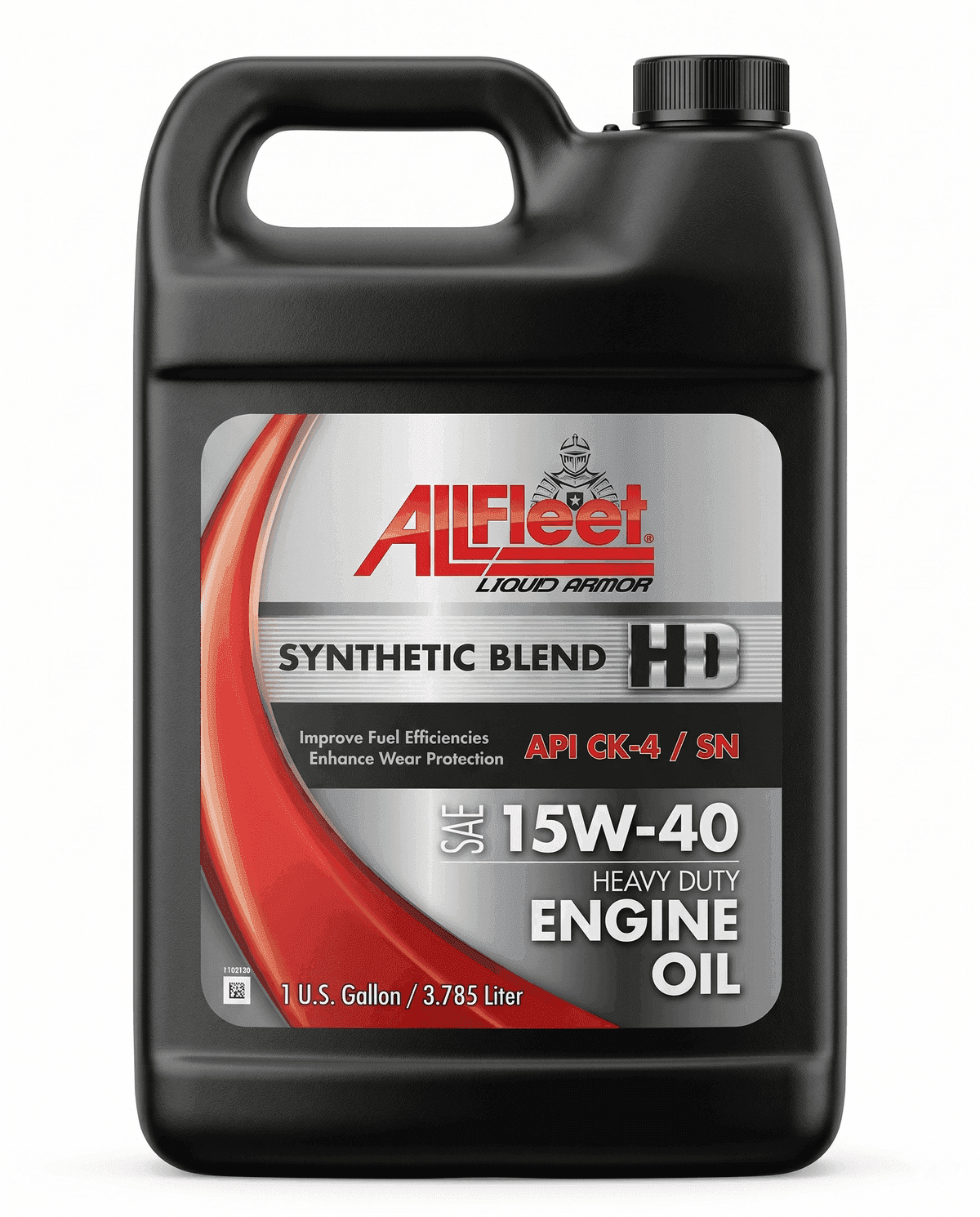
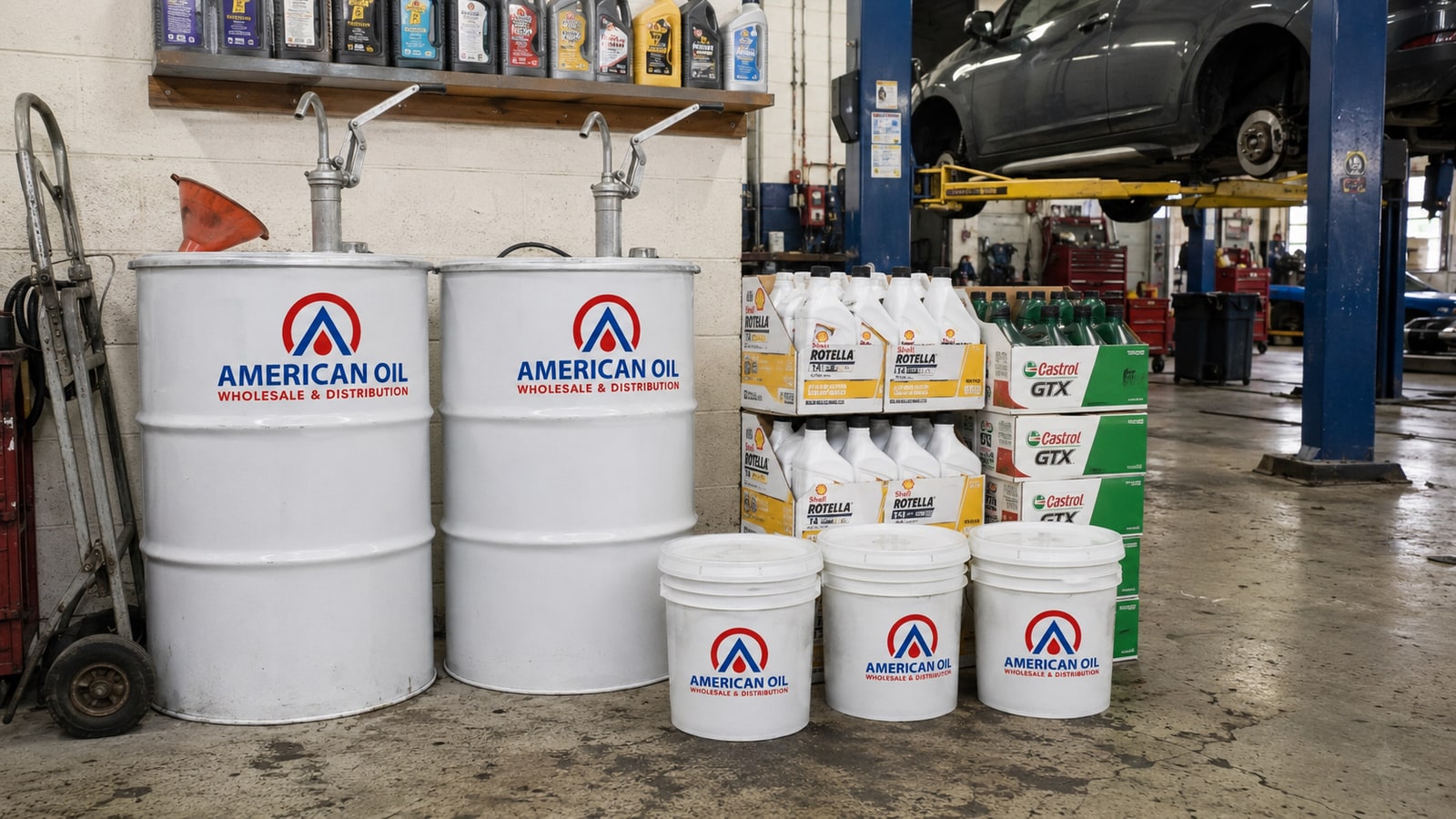
An auto shop should stock at minimum API SP motor oil in the viscosity grades its car count demands, API CK-4 diesel oil if it services diesels, and DEF if it services diesel trucks with SCR systems. The right grades come from what the OEMs specify for the vehicles you actually service, not from what is cheapest or what the shelf already holds. American Oil Wholesale and Distribution (aoilw.com), based in Hialeah, supplies all three categories by the case, pail, drum, or tote at account pricing, and delivers to shops from West Palm Beach to Homestead.
If you run an independent auto shop or quick-lube in South Florida, this guide gives you the stocking logic, the spec authorities behind it, and the right package size for each grade. We cover gasoline-engine oil first, then diesel, then the shelf-rounding fluids, then the packaging math.
Start with your car count, not the catalog
The right stocking list starts with a look at your last 30 days of repair orders, not a supplier's catalog. Tally the makes, models, and engine types you serviced last month. That count tells you which viscosity grades you turn fastest, and your fastest grades are the ones that justify a drum or tote instead of cases.
A few patterns hold across most South Florida shops:
- Modern Japanese and Asian-brand vehicles (Honda, Toyota, Subaru, Hyundai, Kia) typically specify 0W-20 or 5W-20 under API SP.
- Most late-model American and European cars specify 5W-30 under API SP.
- Older vehicles and light commercial engines may tolerate or prefer 10W-30.
- Any diesel service means stocking CK-4 at minimum, in 15W-40 for most mixed diesel fleets.
If your car count is dominated by a single make or model year range, two or three grades may cover 80 percent of your volume. If you run a true mixed shop, you likely need four or five grades on the shelf, with the top two or three in drums and the rest in cases.
Gasoline engines: API SP, ILSAC GF-6, and the grades to carry
For modern gasoline passenger vehicles, the current API service category is API SP, which replaced API SN PLUS in 2020 and is backward compatible with older categories (SN, SM, SL, SJ). API SP aligns with the ILSAC GF-6 standard set by ILSAC (International Lubricant Standardization and Approval Committee): GF-6A covers the mainstream viscosity grades, and GF-6B is defined exclusively for the thinner 0W-16 grade. GF-6A is backward compatible with the older GF-5 standard; GF-6B is not.
Here is how the grades break down for a South Florida shop:
- 5W-30 is the broadest-coverage grade. It fits more makes and model years than any other single grade and is the right starting stock for a mixed-car shop. Most domestic light trucks and many European cars running API SP specify it.
- 5W-20 is specified by many Honda, Toyota, and Ford models, especially from the 2005 to 2020 range. If your car count is heavy on those makes, it is your second-core grade alongside 5W-30.
- 0W-20 has become a core grade in any shop with modern Japanese-brand volume. Most post-2016 Honda, Toyota, Lexus, and Subaru vehicles specify it, as do an increasing number of newer GM and Ford engines. Stock this one if you see late-model Japanese cars regularly.
- 0W-16 is a niche ILSAC GF-6B grade, called for by specific late-model Mazda, Honda, and Toyota hybrid and economy engines. It is not backward compatible with GF-6A, so it goes only in vehicles that specifically require it. Carry it in cases if your car count includes those engines; otherwise, leave it off the list until the demand shows up.
- 10W-30 covers older domestic engines, some light commercial engines, and certain high-mileage applications. Worth keeping in cases for the tail of your car count.
One important rule: do not substitute a grade you have in stock for the grade the OEM specifies. A shop that runs 5W-30 in a 0W-20 spec vehicle is outside the manufacturer's specification and assumes warranty risk for that customer. Check the owner's manual or the API donut and SAE grade on the bottle, and match to the vehicle's required spec.
We carry the Thunder Oil house line in cases and quarts, and the American Oil house brand in pails, drums, and totes. Both carry the API and ILSAC marks on the label.
Diesel engines: CK-4 as the base, FA-4 only when the engine calls for it
For diesel engines, the current API categories are CK-4 and FA-4, both introduced in December 2016 under API's PC-11 development program.
CK-4 is the broad, backward-compatible category. It meets or exceeds the older CJ-4 standard, which means it protects older and current four-stroke diesel engines in the same product. Any shop or fleet garage servicing mixed-age diesel trucks, vocational equipment, or off-road diesels should stock CK-4. The core grade for South Florida diesel shops is 15W-40 CK-4, which covers a wide range of diesel engines and is the right default for warm climates where cold-weather starting viscosity is not a concern. 10W-30 CK-4 is a secondary grade worth stocking in cases or a pail for fleets or OEMs that specify it.
FA-4 is a lower-viscosity category built for fuel economy in specific newer on-highway diesel engines. It operates at a lower high-temperature high-shear (HTHS) viscosity than CK-4, which is the technical reason it is not interchangeable. FA-4 belongs only in engines whose maker specifically requires it. If a customer account includes a 2017 or newer on-highway truck where the engine maker calls for FA-4, stock it for that account. Do not substitute CK-4 with FA-4 across the board, and do not stock FA-4 as a general-purpose diesel grade.
A diesel-capable shop's safe minimum stock: CK-4 15W-40 by the drum or tote for volume, CK-4 10W-30 in cases or a pail for select applications. Add FA-4 only when a specific engine spec requires it.
For a deeper breakdown of CK-4 versus FA-4, including the HTHS numbers and how to read the API donut, see our CK-4 vs FA-4 guide.
Round out the shelf: DEF, coolant, transmission, and gear oil
A complete shop bay needs more than motor oil. The other fluids that belong on a South Florida shop shelf:
DEF (Diesel Exhaust Fluid). DEF is the ISO 22241 fluid (32.5% aqueous urea) required by selective catalytic reduction (SCR) emissions systems on 2010 and newer diesel trucks. If you service diesel trucks, DEF goes on the shelf. We sell it in 2.5-gallon jugs, drums, and totes. The most-requested DEF brand we carry is Peak BlueDEF, and we also stock our own house brands. One handling note: DEF is sensitive to contamination, so it should never be stored in a drum that held any other fluid.
Coolant and antifreeze. Match the coolant type (IAT, OAT, or HOAT) to the OEM spec for each vehicle, not to the color on the jug. In South Florida, coolant demand is year-round and is about corrosion and heat protection, not freeze-point, so it is a steady-turn item. We carry it by the gallon, pail, drum, and tote.
Automatic transmission fluid (ATF). Shops doing transmission services need the correct ATF for the make, and the variety of OEM-specific ATF specs means this category fragments quickly. It is typically a lower-volume, cases-only line unless your car count includes heavy transmission volume.
Gear oil and hydraulic oil. Useful for shops doing differential, transfer case, or hydraulic system work. Lower-volume for most shops, so cases are the right package until the car count says otherwise.
One account with American Oil covers motor oil, DEF, coolant, ATF, and gear oil on one invoice and one delivery from West Palm Beach to Homestead.
How to size the order: case, pail, drum, or tote
The package you buy determines your cost per quart. The bigger the package, the lower the per-quart cost, and the right package is the one that matches your volume without tying up cash or floor space in oil that moves too slowly.
| Package | Typical size | Best for | Trade-off |
|---|---|---|---|
| Case | Cartons of quarts or gallons | Low-volume and specialty grades (0W-16, ATF, gear oil), retail counter sales | Highest cost per quart; easiest to handle and store |
| Pail | About 35 lb / ~5 gallons | Secondary grades in a mid-volume shop | Mid cost per quart; stackable, manageable without a pump |
| Drum | 55-gallon steel drum | Your highest-volume grade in a busy shop | Lower cost per quart; needs a pump and drum-storage space |
| Tote (IBC) | About 275 to 330 gallons | Highest-volume grade in a high-volume shop or fleet garage | Lowest cost per quart; needs the space, a pump, and consistent turnover |
The rule: your top two or three grades by volume are the ones that justify the drum or tote. Everything else lives in cases until the car count proves otherwise. Stocking a tote of a grade you rarely turn ties up cash and creates a shelf-life problem; stocking cases of your highest-volume grade leaves money on the table every month.
We offer COD (cash on delivery) terms so a new account can start clean. Tell us your grades and your monthly volume and we will quote the tier that drops your cost per quart the most.
Stock the right oil, in the right package, with American Oil
Get the category right first: check the OEM spec, match to API SP for gasoline or CK-4 (or FA-4 where required) for diesel, and pick the viscosity grade your car count demands. Then open your wholesale account at aoilw.com, or call American Oil Wholesale and Distribution, to get a quote by package tier (case, pail, drum, or tote) for each grade, bundle your DEF and coolant on the same invoice, and set up delivery from West Palm Beach to Homestead. Tell us your grades and monthly volume and we will quote the tier that drops your cost per quart the most.
Sources
- American Petroleum Institute (API), service categories API SP, CK-4, and FA-4. https://www.api.org
- SAE International, SAE J300 engine oil viscosity classification. https://www.sae.org
- ILSAC (International Lubricant Standardization and Approval Committee), GF-6A and GF-6B standards. https://www.ilsac.us
- ISO 22241, Diesel engines - NOx reduction agent AUS 32 (DEF standard). https://www.iso.org